Introduction

Picking the perfect watch size for your wrist might seem like a minor detail—but it’s actually a game-changer. Think about it: a watch isn't just a tool for telling time; it's a fashion statement, a reflection of your personality, and a subtle sign of your taste. But when the size is off? It throws everything out of balance. Ever tried on a watch that looked like a saucer on your wrist? Or one so small it disappeared? Yeah, we’ve all been there.

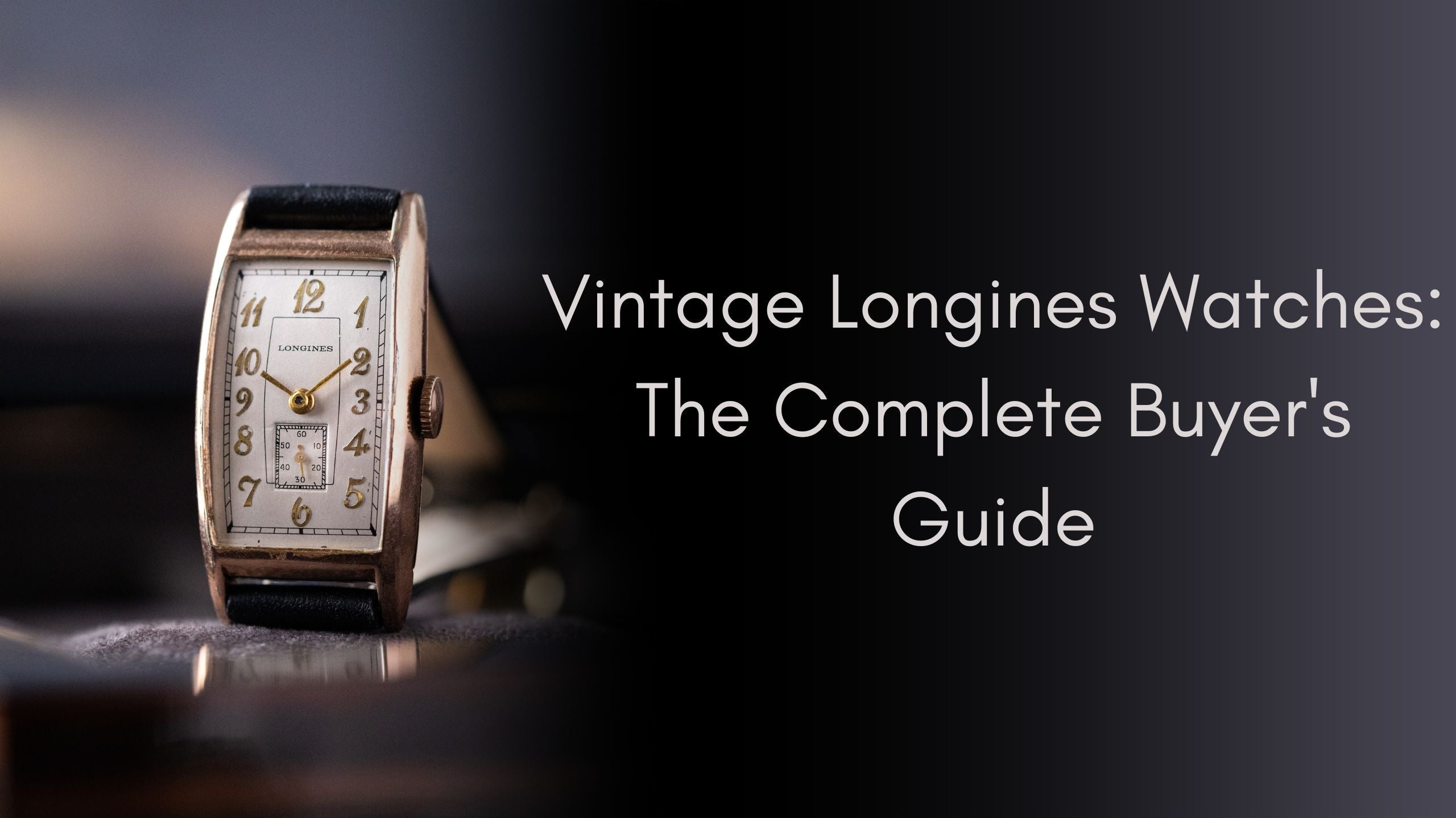
Vintage Longines “St. Moritz”, Art Deco Tank, Quartz Cal. 152, Swiss Made from 1990's - DuMarko

The right watch size enhances your style and ensures comfort all day long. It sits well, feels good, and—most importantly—looks like it was made for you. But how do you figure out what size works best for your wrist? Don’t worry, we’re breaking it all down for you—wrist measurements, case diameters, and even how that 32mm watch you’ve been eyeing fits into the picture. Whether your wrist is 17cm or 22cm, this guide will help you find your perfect match.

Understanding Watch Sizes

When it comes to finding the right watch, understanding watch sizes is essential. It’s not just about how wide the face is—it’s a whole package that includes the case diameter, thickness, lug-to-lug distance, and strap width. All these elements work together to determine how a watch will sit and look on your wrist. Let’s unpack each component so you can shop smarter and wear better.

Watch Case Diameter

This is the number most people focus on—and for good reason. The case diameter (usually measured in millimeters) refers to the width of the watch face, excluding the crown. It typically ranges from 28mm to 50mm, with sweet spots depending on wrist size and personal style. Men’s watches usually fall between 36mm and 44mm, while women’s watches range from 26mm to 38mm. But today’s watch fashion is fluid—some women rock larger dials, and many men are going back to smaller, vintage-inspired pieces.

Lug-to-Lug Distance

Lugs are the metal extensions on either side of the watch case where the strap is attached. The lug-to-lug distance measures from the tip of one lug to the other. Why does this matter? Because even a moderately sized case can look massive if the lugs overhang your wrist. Ideally, the lug-to-lug should be slightly less than or equal to your wrist width to ensure a comfortable and proportionate fit.

Case Thickness

Don’t ignore thickness. A chunky case might look great on a bold wrist but overwhelm a smaller one. Thin watches (around 6mm–8mm) are elegant and often more comfortable under shirt cuffs, while thicker models (12mm+) are usually sportier or designed for high-performance wear like dive watches. Remember: thicker doesn’t mean better—it needs to complement your wrist size and style.

Strap Width

Strap width also plays a part in how a watch feels and looks. Usually, strap width is about half the case diameter. A 40mm watch, for example, will have a 20mm strap. Slim straps on a large watch can look unbalanced, just as a thick strap on a small case can look clunky. Match strap width to the proportions of both the case and your wrist for a seamless look.

Understanding these sizing elements gives you a major edge. It’s like knowing your shoe size before hitting the store—you’re way more likely to find something that fits and feels right.

How to Measure Your Wrist Properly

Before diving into watch catalogs or wandering through display cases, you’ve got to know one thing: your actual wrist size. No guesswork, no assumptions. A proper measurement is the foundation for finding a watch that won’t slide, pinch, or look awkward.

What You’ll Need

  • A flexible tape measure (like the kind used for sewing)

  • OR a piece of string and a ruler

  • A flat surface and a little bit of patience

Step-by-Step Guide

  1. Wrap the tape or string around your wrist—just above the wrist bone (where you’d normally wear a watch).

  2. Make sure it’s snug but not tight. You should be able to slide a finger underneath without straining.

  3. If using string, mark where it meets and lay it flat against a ruler to get your measurement in centimeters or inches.

  4. Record the measurement. Most watch sizing charts work in centimeters, so if you’ve measured in inches, convert it.

Most adult wrist sizes fall between 14cm to 22cm. Men typically range from 17cm–21cm, while women generally land between 14cm–17cm. Your exact size will put you in one of the categories we’ll explore shortly: small, medium, or large wrists.

Pro tip: Measure both wrists if you’re unsure which one you’ll wear your watch on. Some people have a noticeable size difference between wrists.

Knowing your wrist size is the baseline for choosing a watch that fits well, looks stylish, and doesn’t bug you after an hour of wear. Trust us—this one little step can save you from a lot of trial and error.

Watch Size Chart by Wrist Size

Now that you know your wrist size, let’s talk about how it translates into the perfect watch dimensions. Many people make the mistake of just picking a watch because it “looks good” or it’s trending. But when you match your watch size to your wrist size, it instantly elevates your style and comfort level.

Here’s a simple, easy-to-follow watch size chart that links wrist circumference to recommended case diameter. Keep in mind, this is a general guideline—but it’s a solid starting point.

Wrist Size (cm) Wrist Size (inches) Recommended Case Diameter (mm)
14cm – 16cm 5.5" – 6.3" 32mm – 38mm
16cm – 17cm 6.3" – 6.7" 36mm – 40mm
17cm – 18cm 6.7" – 7.1" 38mm – 42mm
18cm – 20cm 7.1" – 7.9" 40mm – 44mm
20cm – 22cm+ 7.9" – 8.7"+ 44mm – 50mm

This chart gives you a ballpark, but let’s break down what these numbers really mean:

  • 14cm–16cm wrists: These are on the smaller side. A 32mm to 38mm case works best here. It won't overwhelm your wrist and will sit neatly without lug overhang.

  • 16cm–17cm wrists: This is a sweet spot for both men and women. A 36mm to 40mm watch offers balance—neither too flashy nor too subtle.

  • 17cm–18cm wrists: A lot of people fall in this range. The 38mm–42mm bracket gives you flexibility to go classic or bold depending on your style.

  • 18cm–20cm wrists: You can pull off slightly larger watches without them looking too chunky. Look for 40mm to 44mm sizes.

  • 20cm–22cm+ wrists: Big wrist? Go bold. 44mm to 50mm watches will have presence and proportion.

Don’t forget—these are case diameters. You still need to consider case thickness, lug width, and overall design to make the watch truly fit like a glove.

Also, your wrist shape can influence what looks good. People with flat wrists may pull off bigger sizes more comfortably, while rounder wrists might benefit from compact, curved-lug cases.

What Watch Size for My Wrist? A Simple Breakdown

Let’s cut to the chase—what watch size is right for your wrist? Now that you’ve measured and checked the size chart, it’s time to think beyond the numbers. Proportion, wrist shape, and even your outfit matter more than you think.

Here’s a quick and practical breakdown:

Small Wrists (14cm–16cm)

  • Ideal Size: 32mm–38mm

  • Why: Keeps the watch balanced and avoids overhang

  • Avoid: Thick bezels, oversized crowns, bulky bracelets

  • Go For: Slim, minimalist styles; vintage designs often work well

Medium Wrists (16cm–18cm)

  • Ideal Size: 36mm–42mm

  • Why: You’ve got room to experiment

  • Avoid: Anything too extreme on either side of the spectrum

  • Go For: Both classic and contemporary styles work here

Large Wrists (18cm–22cm+)

  • Ideal Size: 42mm–50mm

  • Why: Larger dials will feel natural and balanced

  • Avoid: Watches under 38mm—they may look too small or delicate

  • Go For: Divers, chronographs, aviation watches with thick straps

Bonus Tip: Just because your wrist can technically handle a bigger watch doesn’t mean it always should. Comfort, especially for all-day wear, matters. If a 44mm feels heavy or keeps sliding, size down slightly or try a different strap.

So, what watch size for your wrist? Use this breakdown as your compass. Combine it with your lifestyle, wardrobe, and wrist profile, and you’re on your way to picking a piece that doesn’t just fit—it feels right.

Choosing a Watch for a 17cm Wrist Size

Let’s zoom in on a very common wrist size: 18cm. If your wrist measures around 18 centimeters, you’re sitting right in the middle of the watch-wearing spectrum. You’re lucky because your wrist can handle a variety of watch sizes—from sleek and minimal to slightly bold and sporty. But still, not every watch will look or feel right.

Ideal Case Diameter for 18cm Wrists

If we go by the standard chart, the sweet spot for a 18cm wrist is between 36mm and 40mm. Here’s how different sizes will likely feel:

  • 36mm: Perfect if you prefer a clean, minimalist, or vintage look. Great for dress watches.

  • 38mm: A balanced choice—neither too big nor too small. Most modern watches in this size look timeless and refined.

  • 40mm: Slightly bolder, but still comfortable. Best for sportier styles or chronographs.

You might technically be able to wear up to 42mm, but that’s pushing it for daily comfort unless the watch has short lugs and a thin case profile. On the other end, anything below 34mm might look undersized unless you’re going for a specific retro aesthetic.

Best Watch Styles for 18cm Wrists

At 18cm, your wrist is incredibly versatile. Here are a few styles that work beautifully:

  • Dress Watches: A 36–38mm case with a slim profile looks elegant and slides under a shirt cuff like a charm.

  • Dive Watches: Look for 38–40mm models with a solid bezel and medium thickness. They add presence without being bulky.

  • Field Watches: Typically compact and practical, many come in the 36–38mm range and look fantastic on a 17cm wrist.

  • Chronographs: Try models in the 39–40mm range with short lugs and a tapered bracelet or strap for balance.

  • Vintage Watches: These are often around 34–36mm and look perfectly proportioned on 17cm wrists—especially if you prefer a classic look.

32mm Watch Size: Is It Too Small or Just Right?

Ah, the 32mm watch size—a topic that sparks more debate than you’d expect. Some think it’s too small for modern tastes, while others love the understated elegance. So where does a 32mm watch fit in today’s style world? And more importantly, is it right for your wrist?

Who Should Wear a 32mm Watch?

32mm watches are best suited for:

  • Wrist sizes under 16cm: This is where 32mm shines. It’s compact, lightweight, and perfectly proportional.

  • Women with slender wrists: A 32mm watch often looks refined and elegant on smaller wrists without appearing oversized.

  • Fans of vintage aesthetics: Many classic watches from the 1950s–1970s were around 32–34mm, and collectors love them for their timeless appeal.

  • Minimalist wearers: If you prefer subtle over flashy, 32mm is like a whisper of elegance.

That said, don’t write off 32mm just because of the number. Some modern brands design 32mm watches with wider bezels or larger dials that make them appear bigger than they are.

Style Considerations for 32mm Watches

Worried it might look too dainty? It depends on design. Some 32mm watches have bold straps, colorful dials, or distinctive cases that give them more wrist presence than you'd expect.

Here’s how to style a 32mm watch:

  • Pair with leather straps to add elegance and softness

  • Wear with fitted outfits like suits, blazers, or smart-casual clothes

  • Keep it classic—avoid overly busy dials that might feel cramped at this size

Should Men Wear 32mm Watches?

Short answer: yes, absolutely—if it fits. A 32mm watch can be a stylish and unique choice, especially for men with 14–16cm wrists or those going for a retro or minimalist vibe. In fact, many vintage Rolex models worn by men were around 32–34mm, and they looked amazing.

So, is a 32mm watch too small? Not if it fits your wrist, your personality, and your style. Don’t chase numbers—chase proportion and comfort.

Small Wrists: Best Watch Sizes & Styles

Let’s face it—if you’ve got small wrists, shopping for watches can feel frustrating. You see a design you love, only to try it on and realize it looks like you strapped a wall clock to your arm. But here’s the good news: having a smaller wrist doesn’t limit your options—it just means you’ve got to be smarter about proportion and style.

What Defines a Small Wrist?

Generally, if your wrist measures 14cm to 16cm, you fall into the small wrist category. This includes many women and a decent number of men, especially those with lean builds or younger watch wearers.

Ideal Watch Sizes for Small Wrists

  • Case Diameter: Stick with 32mm to 38mm. Some people with smaller wrists can pull off 40mm if the lug-to-lug distance is short and the watch is thin.

  • Case Thickness: Keep it under 10mm for better comfort and aesthetics.

  • Lug-to-Lug: Preferably under 46mm. Anything longer may cause the watch to hang over the edges of your wrist, which is a big no-no.

  • Strap Width: Proportional straps matter—a 16mm to 18mm strap usually works best.

Watch Styles That Flatter Small Wrists

  1. Dress Watches
    Think classic and minimalist. A 34mm–36mm dress watch with a thin leather strap? Chef’s kiss. These watches are elegant, low-profile, and look right at home on a smaller wrist.

  2. Field Watches
    Military-inspired field watches tend to come in compact sizes like 36mm, making them ideal for small wrists. They’re rugged but simple enough to stay proportionate.

  3. Vintage Watches
    Many vintage timepieces from the 1960s–80s were naturally smaller. That makes them a treasure trove for small-wristed watch lovers. Plus, they bring that old-school charm you just can’t replicate.

  4. Casual Everyday Watches
    Brands like Timex, Seiko, and Citizen often offer smaller dial options (34mm–38mm) that feel comfy and casual without being overwhelming.

Watch Design Tips for Small Wrists

  • Avoid oversized crowns or chronograph pushers that look bulky.

  • Go for rounded cases instead of angular, square, or rectangular ones—they tend to look smaller and more refined.

  • Choose slim bezels for a cleaner look; thick bezels eat up dial space and can make the watch look chunkier.

  • Tapered straps help the watch blend smoothly into your wrist rather than cutting across it abruptly.

Best Watch Brands for Small Wrists

  • Omega (vintage De Ville models)

  • Longines (check out the vintage options)

  • Hamilton (Khaki Field 38mm is a fan favorite)

  • Tissot (T-Classic and Visodate lines)

  • Timex (Weekender and Marlin series)

Having a small wrist isn’t a drawback—it’s just a different canvas. When you choose the right size, it elevates your look and adds intentionality to your style. So own it, and rock a timepiece that fits just right.

Medium Wrists: Best Watch Sizes & Styles

If your wrist measures between 16cm and 18cm, congratulations—you’re in the medium wrist zone, which means you’ve got the most flexibility when it comes to watch sizes and styles. This is the sweet spot where most manufacturers aim to balance comfort, aesthetics, and presence on the wrist.

Ideal Watch Sizes for Medium Wrists

  • Case Diameter: Anywhere between 36mm to 42mm will likely look and feel great.

  • Case Thickness: Stay within 8mm to 12mm depending on your personal preference.

  • Lug-to-Lug: Around 46mm to 50mm works well. You can handle a bit more length without discomfort.

  • Strap Width: Usually 18mm to 22mm will feel proportionate.

This range gives you a lot of freedom—just be careful not to overdo it with chunky dive watches or undersized vintage pieces unless it’s a conscious style choice.

Watch Styles That Work Best

  1. Dive Watches
    Medium wrists can pull off the iconic dive watch look like the Rolex Submariner or the Seiko SKX. These usually land in the 40mm–42mm range, which fits this wrist size like a glove.

  2. Chronographs
    If you love complications, chronographs often have a bolder design. On a medium wrist, a 40mm chronograph with a sporty strap will have strong wrist presence without overwhelming.

  3. Dress Watches
    Classic 38mm–40mm dress watches are pure elegance on a medium wrist. You get the refinement without looking too delicate.

  4. Smartwatches & Hybrids
    If you're into tech, medium wrists handle most smartwatch designs (like the Apple Watch or Galaxy Watch) well. These usually hover around 40mm–42mm and feel balanced.

Design Tips for Medium Wrists

  • Experiment with dial styles—you can go minimalist or busy without losing proportion.

  • Switch up strap materials—metal bracelets, leather, NATO, silicone… they all work.

  • Consider your wardrobe—match sleek watches with suits and chunkier styles with casual outfits.

Top Watch Picks for Medium Wrists

  • Omega Aqua Terra (38–41mm)

  • Seiko 5 Sports (40mm)

  • Hamilton Jazzmaster (40mm)

  • Tissot PRX (40mm)

  • Citizen Eco-Drive (38mm–42mm)

Bottom line: medium wrists are the goldilocks of watch sizing—you can go small or large depending on your mood, style, and the occasion. Just make sure it feels right on your wrist and looks proportionate.

Large Wrists: Best Watch Sizes & Styles

If your wrist size is 18cm or larger, congratulations—you’ve got what watchmakers would call a “statement canvas.” With larger wrists, you can rock bold, oversized timepieces that command attention. But that doesn’t mean every big watch is automatically a good choice. The key is balance—finding watches that look impressive without being clunky or uncomfortable.

What Qualifies as a Large Wrist?

A wrist measuring 18cm to 22cm+ is considered large. Whether you’re tall, muscular, or just naturally broad-boned, your wrist can handle a bigger variety of watches—but “bigger” doesn’t always mean “better.”

Ideal Watch Sizes for Large Wrists

  • Case Diameter: 42mm to 50mm. This is where bold designs come into play.

  • Case Thickness: 10mm to 15mm+, depending on the type (e.g., divers and chronographs are naturally thicker).

  • Lug-to-Lug: Aim for 50mm and up, but make sure it doesn’t hang over the edges of your wrist.

  • Strap Width: A wide strap (usually 22mm to 24mm) is key to balancing the size of the case.

Going below 40mm is possible, but it may look too small or “lost” on your wrist, especially if the case is thin or the lugs are short.

Best Watch Styles for Large Wrists

  1. Dive Watches
    These are the kings of bold design. Models like the Seiko Prospex, Citizen Promaster, or Rolex Sea-Dweller are often 42mm+ and look just right on larger wrists.

  2. Aviation Watches (Pilot Watches)
    Inspired by vintage cockpit instruments, these watches tend to be oversized (44mm–48mm), making them a natural fit for bigger wrists. Brands like IWC and Breitling shine in this category.

  3. Chronographs
    Multi-dial, sporty chronographs offer both function and wrist presence. Look for models in the 42mm–45mm range with thick cases for a balanced look.

  4. Smartwatches
    Larger wrists can comfortably handle big-screen wearables. Garmin, Apple Watch Ultra, and Samsung Galaxy Watch Pro all offer larger sizes that won’t look cartoonish on your arm.

Style Tips for Big-Wristed Watch Lovers

  • Go for bold, but not bloated: A 48mm watch might sound cool, but if it’s overly thick or heavy, it could be more of a nuisance than a style boost.

  • Stick with proportional strap widths: A thin 18mm strap on a 46mm case will look awkward—stick to wider straps to keep the look cohesive.

  • Try integrated bracelet watches: They blend the lugs and strap seamlessly, which creates a more balanced appearance.

  • Avoid dainty or minimalist designs: These tend to get “lost” visually on a large wrist. Look for watches with bold markers, large dials, or textured bezels.

Top Watch Picks for Large Wrists

  • Casio G-Shock GA-2100 – Rugged and iconic at 45mm+

  • Panerai Luminor – Signature cushion case and a whopping 44mm+ profile

  • Seiko Turtle or Samurai – Divers built for wrist dominance

  • TAG Heuer Carrera Sport – Chronograph functionality in a bold case

  • Garmin Fenix Series – Feature-packed smartwatches with serious size

Having a large wrist opens up a world of wristwear most can’t pull off. Embrace boldness, but don’t sacrifice comfort or style. It’s not just about the size—it’s how the watch wears on you.

Lug-to-Lug Distance: The Hidden Sizing Secret

So, you’ve measured your wrist, figured out your case diameter, and even picked a few styles you like. But something still feels… off. The culprit? Most likely the lug-to-lug distance—a.k.a. the most overlooked but crucial part of watch sizing.

What is Lug-to-Lug Distance?

The lug-to-lug distance is the measurement from the tip of one lug to the tip of the opposite lug. These lugs are the “arms” that hold the strap or bracelet in place. This measurement is not included in the standard case diameter—but it can drastically change how the watch fits and feels.

Why Lug-to-Lug Matters

Even if a watch has a small case diameter (say 38mm), a long lug-to-lug distance (like 50mm) can make it overhang your wrist. That overhang isn’t just uncomfortable—it ruins the entire look by making the watch seem awkward or oversized.

For example:

  • A 40mm case with 48mm lug-to-lug fits very differently than a 40mm case with 44mm lug-to-lug—especially on smaller wrists.

  • A compact lug distance helps the watch “hug” your wrist instead of sitting like a coaster.

Ideal Lug-to-Lug Based on Wrist Size

Wrist Size Ideal Lug-to-Lug Range
14–16cm 44mm or less
16–18cm 46–49mm
18–22cm+ 50mm or more

How to Measure Lug-to-Lug

If you’re shopping in person, use a ruler or caliper to measure from one lug tip to the other. If you’re shopping online, check the manufacturer specs—many watch brands now include lug-to-lug details because buyers are getting smarter (like you).

Short-Lug vs Long-Lug Cases

  • Short lugs = better for small wrists, dressier vibe, tighter fit

  • Long lugs = more wrist presence, sportier look, but can overhang

Lug-to-lug distance is your secret weapon in choosing a watch that wears beautifully. Think of it like tailoring a suit—you don’t want the sleeves too long or short, and the same goes for the way your watch sits across your wrist.

Tips for Trying On Watches Before Buying

Buying a watch—especially one you’ll wear every day—is a big deal. And while online shopping offers endless options, nothing beats trying on a watch in person to really understand how it feels, fits, and flatters your wrist. If you're shopping in-store or testing out different styles, here are some smart tips to make sure you're choosing the right watch size for your wrist.

1. Focus on Comfort First

Sure, looks matter. But if the watch pinches, slides, or feels too heavy, it’s not the right fit—no matter how good it looks. When trying on a watch:

  • Move your wrist naturally. Does the watch stay in place?

  • See how it feels after a few minutes—especially if it's a heavier model.

  • Bend your wrist up and down. If the case digs into your wrist bones, it's too big or too thick.

Pro tip: The right watch should feel like a natural part of your wrist—not something you constantly notice.

2. Check for Proportion in the Mirror

What looks good up close might look awkward from afar. Step back from the display mirror and check how the watch looks from a normal distance. Ask yourself:

  • Does the watch dominate my wrist or blend in nicely?

  • Are the lugs hanging over the edge?

  • Does the strap width match the watch and my wrist?

Look at it from a few angles. If it looks like it's swallowing your wrist—or worse, totally disappearing—it’s probably not the right size.

3. Pay Attention to Lug-to-Lug Fit

It can’t be stressed enough: the lug-to-lug length must sit comfortably within your wrist width. If the lugs extend beyond your wrist edges, the watch will look oversized and feel unbalanced.

4. Experiment with Different Strap Types

Swapping a metal bracelet for a leather or fabric strap can completely change how a watch fits and feels.

  • Metal bracelets add weight and presence

  • Leather straps give a sleeker, more flexible fit

  • NATO straps can make even a large watch feel more casual and wearable

Try a few combinations to see which one enhances the case design without overpowering your wrist.

5. Try Both Wrists

Sometimes the watch you try on your non-dominant wrist feels different when worn on the dominant one. If you’re not sure which wrist you'll wear it on, try both. Wrist shapes and sizes vary slightly, and the watch might sit better on one than the other.

6. Use Watch Try-On Apps (If Shopping Online)

Not shopping in-store? No problem. Some brands and apps offer AR (augmented reality) features where you can “try on” a watch virtually using your phone.

Here are a few handy options:

  • WatchBox

  • TryOnWatch

  • Chrono24 AR Tool

Or, use a printable wrist sizer offered by brands like Rolex, Omega, or Seiko to get a feel for lug-to-lug distance and case diameter.

7. Don’t Be Afraid to Walk Away

Even if you’re in love with the design, if the watch just doesn’t feel right, don’t force it. Comfort and fit should always win over style. With so many brands and models available, there’s always another watch that’s equally beautiful and fits perfectly.

Trying on a watch is like test-driving a car. You wouldn’t buy one without sitting in the driver’s seat—and you shouldn’t buy a watch without seeing how it lives on your wrist.

Common Mistakes When Choosing Watch Size

With so many shapes, styles, and strap options, it's easy to make the wrong call on watch sizing—especially if you're new to the game. Let’s clear up the confusion with some of the most common mistakes people make when choosing a watch size, and how to avoid them.

1. Ignoring Lug-to-Lug Distance

We’ve said it before, but it’s worth repeating: case diameter isn’t everything. A watch may seem “small” at 38mm, but if the lug-to-lug stretches 50mm, it can wear much larger than expected.

Avoid it by: Always checking lug-to-lug specs and comparing them to your wrist width. Most brands list this now, and if they don’t—ask!

2. Buying What’s Trendy, Not What Fits

Oversized watches had their moment in the early 2000s. Minimalist watches came after. But blindly following trends can lead to buying a watch that looks off on your wrist.

Avoid it by: Focusing on your wrist size, your lifestyle, and your personal style rather than what influencers or celebrities are wearing.

3. Assuming Bigger is More Masculine (or Feminine)

Size doesn’t define gender or strength. Some of the most confident men wear 36mm vintage watches. Plenty of women wear 40mm divers with zero hesitation. It’s about confidence and proportion, not stereotypes.

Avoid it by: Wearing what feels good and fits right—not what you think you “should” wear.

4. Not Trying Different Strap Types

A strap can completely change the vibe and fit of a watch. A bulky bracelet can make a watch feel oversized, while a soft leather strap can make a big case feel lighter.

Avoid it by: Swapping straps in-store or at home to see what complements your wrist and the watch best.

5. Forgetting About Case Thickness

Most people obsess over width but overlook how thick the case is. A 42mm case that’s 14mm thick can feel like a hockey puck on a small wrist, while a thin 40mm case can feel perfect.

Avoid it by: Trying on watches and looking at case profile in addition to face size.

6. Not Considering Wrist Shape

Two people can have the same wrist circumference, but one has a flat wrist and the other a rounded one. The same watch will wear completely differently on each.

Avoid it by: Being mindful of how a watch case sits on your wrist—especially how it contours or gaps.

Choosing the right watch size isn’t just a numbers game—it’s about how everything comes together. Avoid these pitfalls, and you’ll save yourself the time, money, and regret of buying something that just doesn’t feel quite right.

Conclusion

Finding the right watch size for your wrist isn’t about following rigid rules—it’s about proportion, comfort, and personal style. Sure, you’ve now got the technical know-how: how to measure your wrist, what case diameters generally work for which wrist sizes, why lug-to-lug distance matters, and how strap materials and watch types change the feel of a timepiece. But here’s the bottom line: the perfect watch is the one that fits your wrist and your lifestyle.

A 17cm wrist? Go for that sweet spot between 36mm and 40mm. Curious about 32mm watches? They’re far from outdated—they’re elegant, understated, and perfect for the right wrist. Don’t be afraid to try something unexpected, like a vintage-inspired 34mm on a modern wrist or a bold diver on a flat 18cm wrist with short lugs.

At the end of the day, wearing a watch isn’t just about telling time—it’s about making a statement. Whether it’s subtle sophistication or rugged readiness, the right size helps your watch complement—not overpower—your wrist. So take the time (pun intended) to try on different sizes, feel them out, and see how they wear. You’ll know the right one not just by how it looks—but by how it feels.

Remember: a well-sized watch doesn’t wear you… you wear the watch.


FAQs

1. What size watch is best for a 17cm wrist?
For a 17cm wrist, the ideal watch size is typically between 36mm and 40mm in case diameter. Lug-to-lug should ideally stay under 48mm, and a thinner case (10mm or less) tends to be more comfortable.

2. Is a 32mm watch too small for men?
Not at all. A 32mm watch can look great on men with smaller wrists (14–16cm) or those going for a classic, vintage look. Style is personal—if it fits and you like it, wear it confidently.

3. Can women wear 44mm watches?
Absolutely. Many women love bold, oversized styles. If you have a larger wrist or prefer chunkier fashion-forward pieces, a 44mm watch can make a strong, stylish statement.

4. How do I measure lug-to-lug distance?
Use a caliper or ruler to measure from the tip of one lug to the tip of the opposite lug. Alternatively, check the watch specifications on the manufacturer’s website. This number helps determine how the watch sits across your wrist.

5. Should watch size match my outfit?
Yes! Slim, smaller watches (34–38mm) pair well with suits or formal outfits, while larger, sportier watches (40–44mm+) work better with casual or rugged styles. Match your watch to the vibe you’re going for.

Fast Shipping

Fast Shipping

Enjoy fast worldwide shipping and easy returns for a seamless shopping experience.

Expert Support

Expert Support

Get help from our watch experts anytime via chat or email.

Curated Collection

Curated Collection

Discover unique, rare watches that are tested and verified by our team.

Satisfied Customers

Satisfied Customers

Hundreds of happy customers and genuine reviews to boost your confidence.