
Décodeur de numéro de série Longines
Vous vous demandez quel âge a votre montre Longines ? Utilisez notre outil de recherche de numéro de série Longines pour découvrir instantanément son année de fabrication . Que vous possédiez une montre habillée, un chronographe ou un modèle Longines classique, cet outil vous permet de déterminer sa date de production grâce au numéro de série gravé sur le mouvement.
Comment ça marche :
Saisissez simplement le numéro de série de votre montre et cliquez sur « Rechercher l'année » . Notre outil estimera l'année de fabrication à partir des données des numéros de série Longines de 1870 à 1980.
🔍 Pourquoi utiliser cet outil ?
C'est le moyen le plus rapide et le plus précis de retracer l'origine de votre montre Longines, idéal pour les collectionneurs, les vendeurs et les amateurs de montres vintage.
Longines Serial Number Decoder
Enter your Longines watch's serial number below to find the production year.
Please note: The production year is approximate and may vary.
Where to Find the Longines Serial Number
Your Longines watch’s serial number is typically a 5- to 9-digit number that uniquely identifies your timepiece.
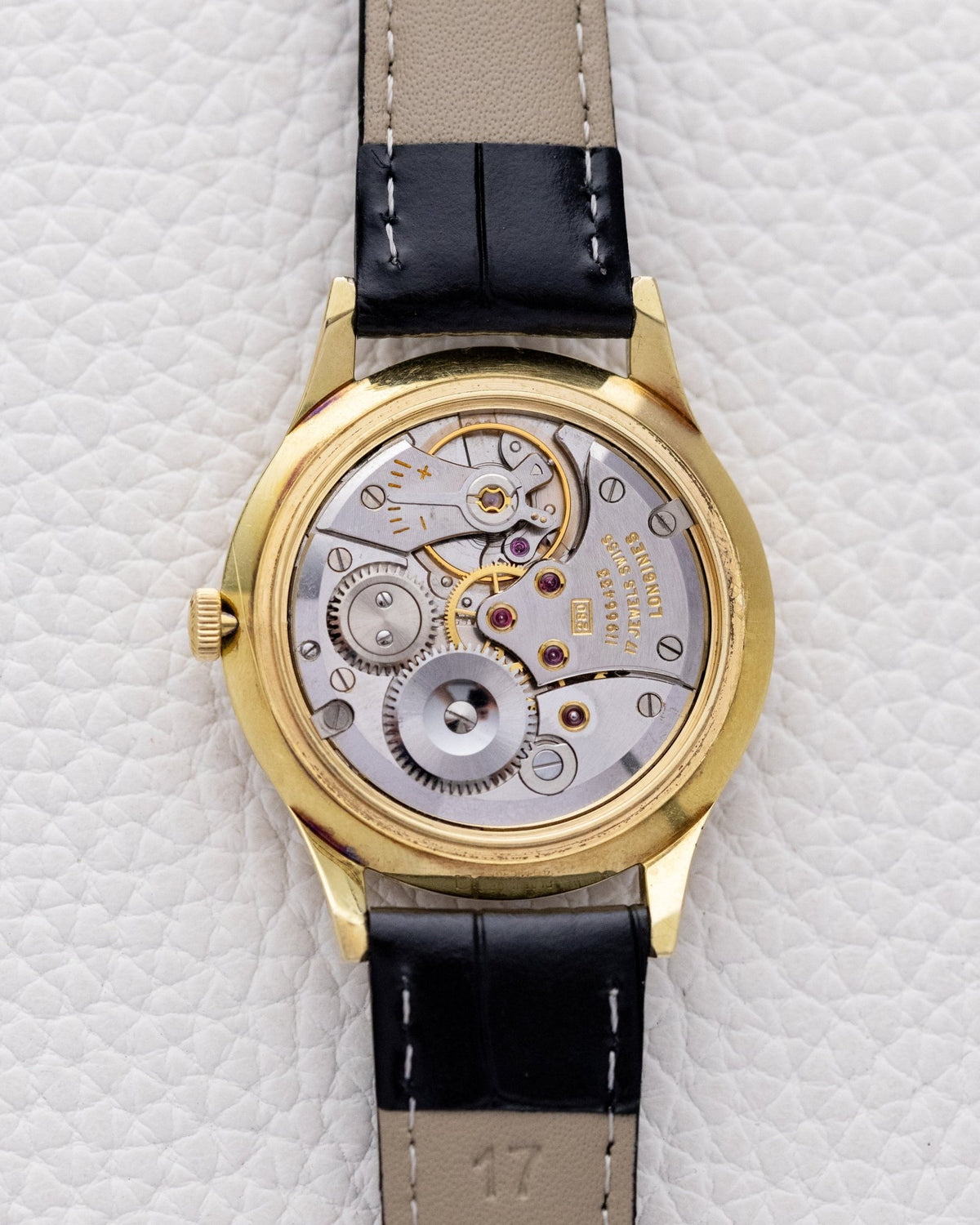
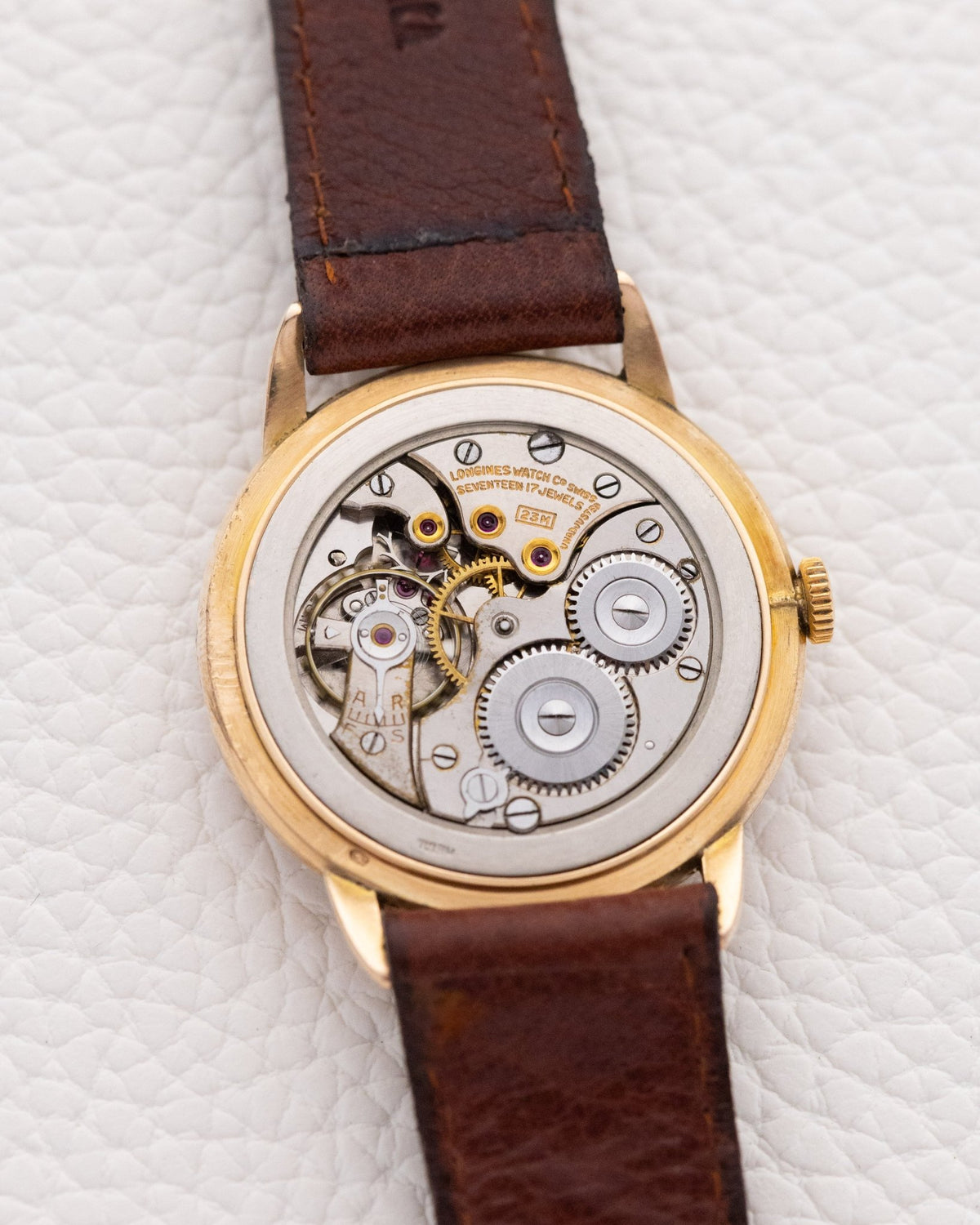
For watches covered by this tool (1870–1980), the serial number is typically located on the movement – the internal mechanism of the watch.
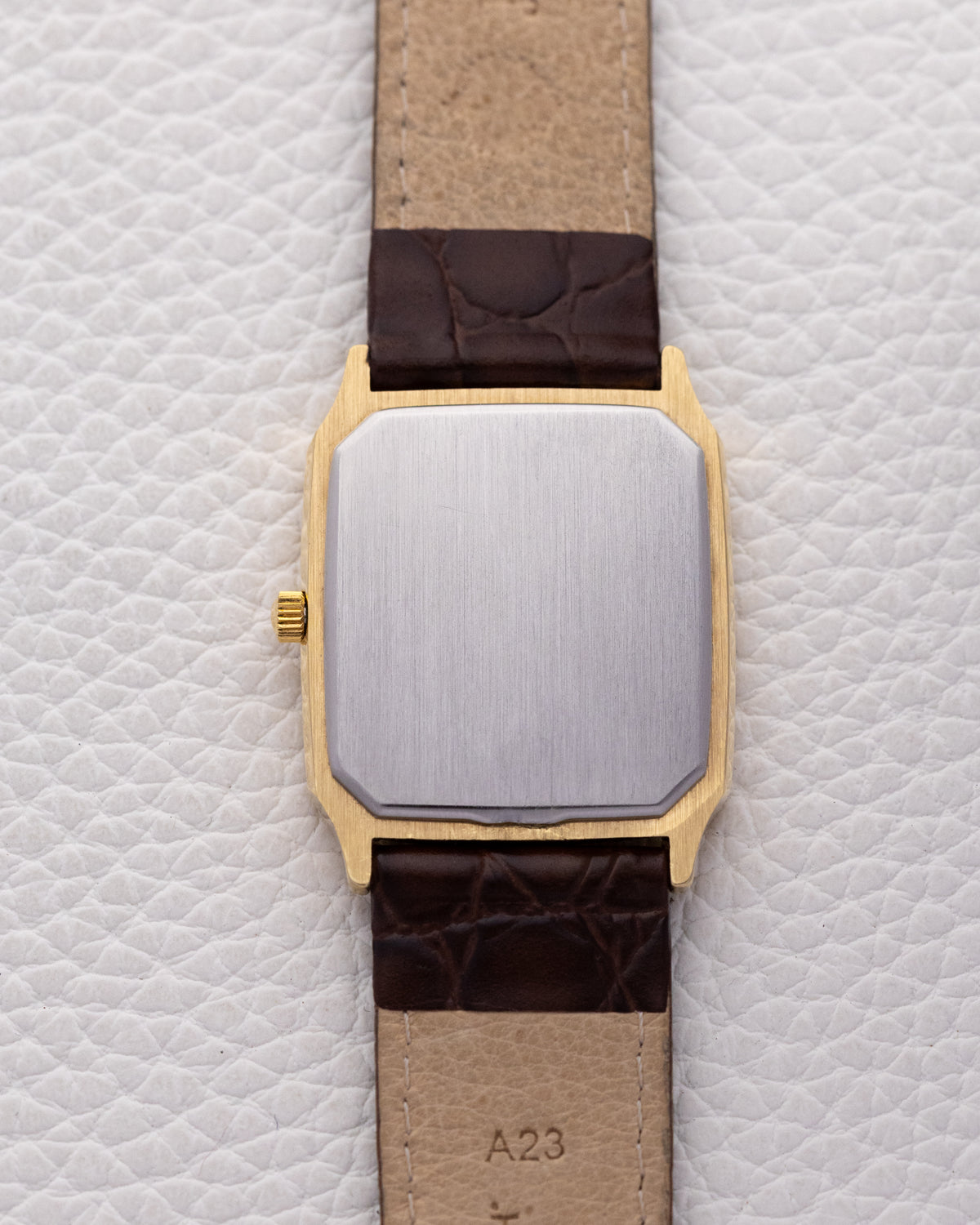
On most vintage Longines watches the serial number is engraved directly on the movement plate, which means the caseback must be removed to see it. Vintage movements are delicate, so this is best done by a qualified watchmaker. Longines gives the same advice on its own heritage page.
| Location | When it applies |
|---|---|
| On the movement (primary) | The authoritative location for all vintage Longines. Requires caseback removal |
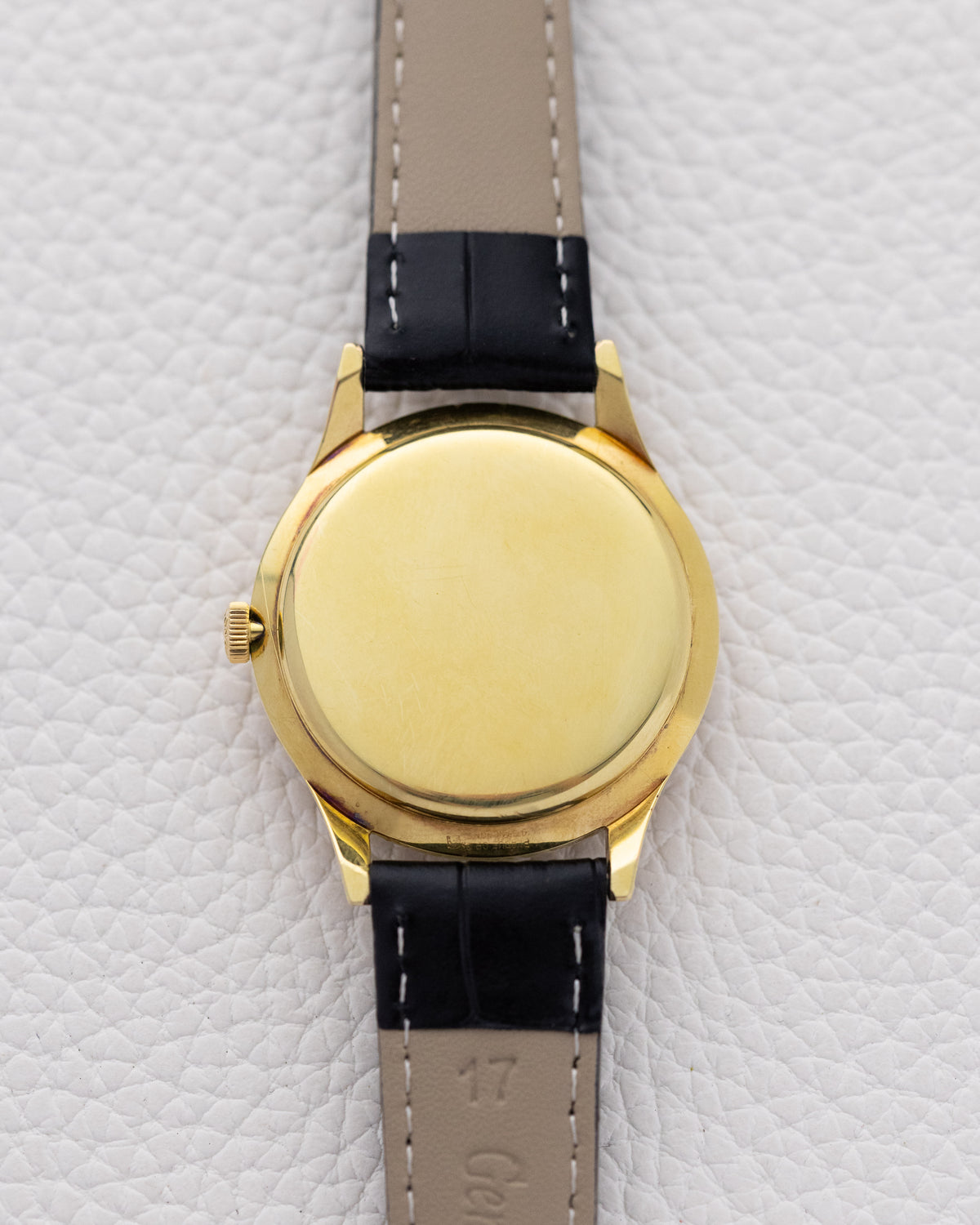
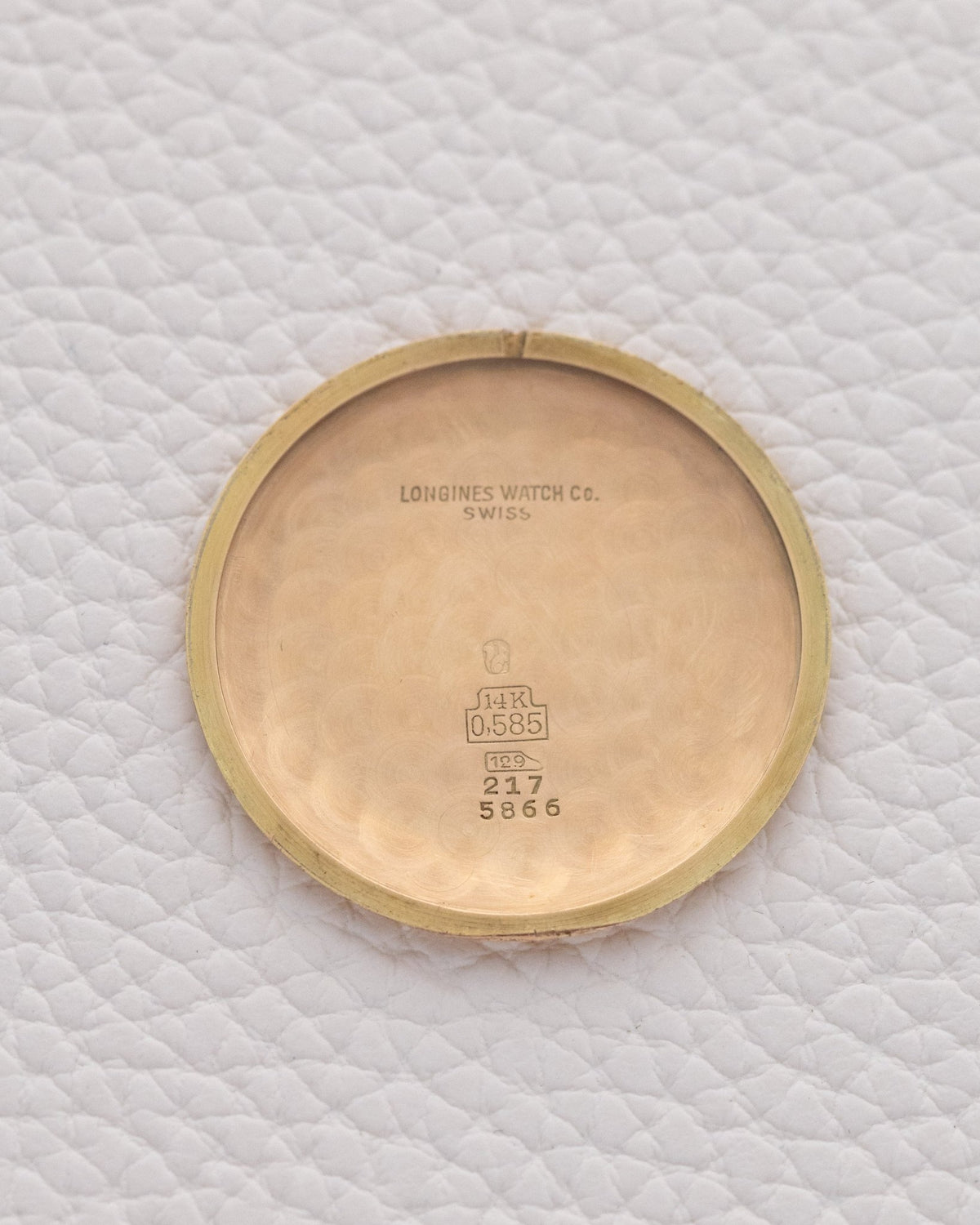
| Inside the caseback | Some models. Useful as a cross-reference: check it against the movement number |
| Outer caseback | Contemporary Longines models |
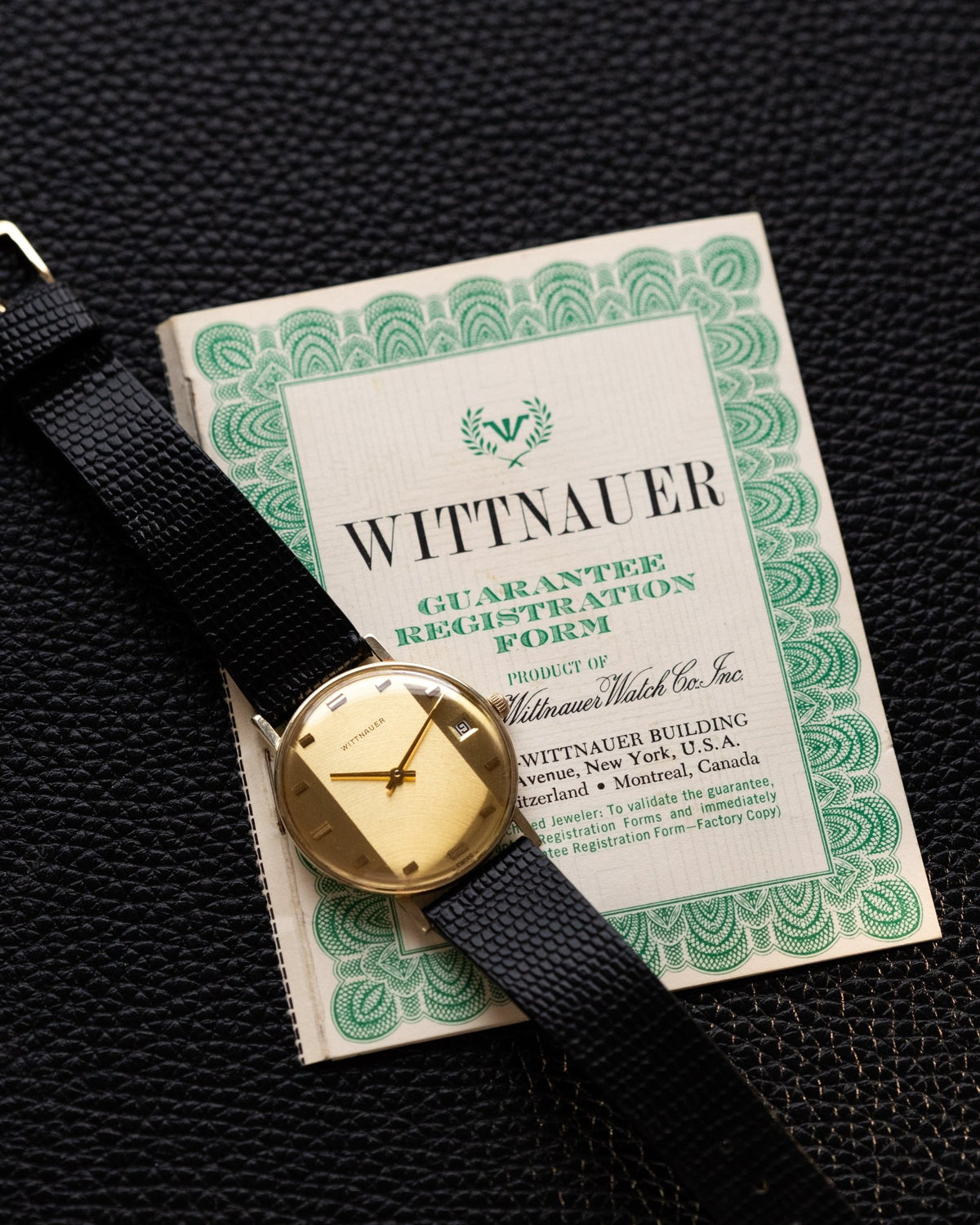
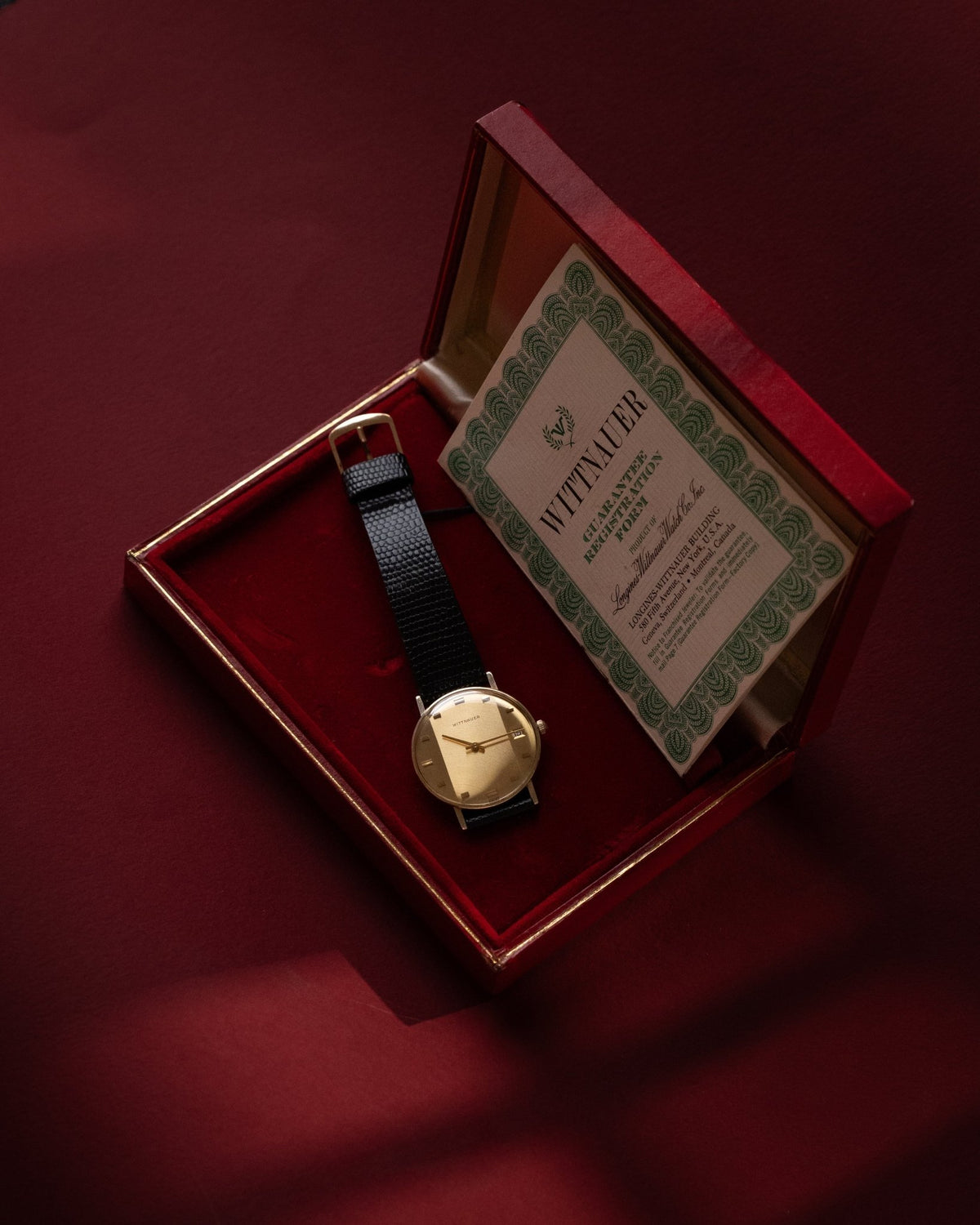
| Original paperwork | Warranty cards, guarantee certificates and receipts often record the serial number |

A note from Anastasia
Before we list a Longines, we open the caseback and photograph the movement, because the number that dates the watch is engraved there, just under the Longines name. The most common mix-up I see is an owner sending us the number from the outside of the case, or the reference, and neither of those will give a year.

Which number is which?
| Marking | What it identifies | Can it date the watch? |
|---|---|---|
| Movement serial number (e.g. 8,453,211) | The individual movement | Yes |
| Calibre number (e.g. 12.68Z, 19AS) | The movement design | Only a rough window, from when that calibre was in production |
| Reference number (e.g. L2.628.4) | The model or collection design | No |
| Case number | The case. On factory-cased vintage Longines it usually repeats the movement number | Only when it matches the movement |
| Bracelet or clasp codes | The strap or bracelet | No |
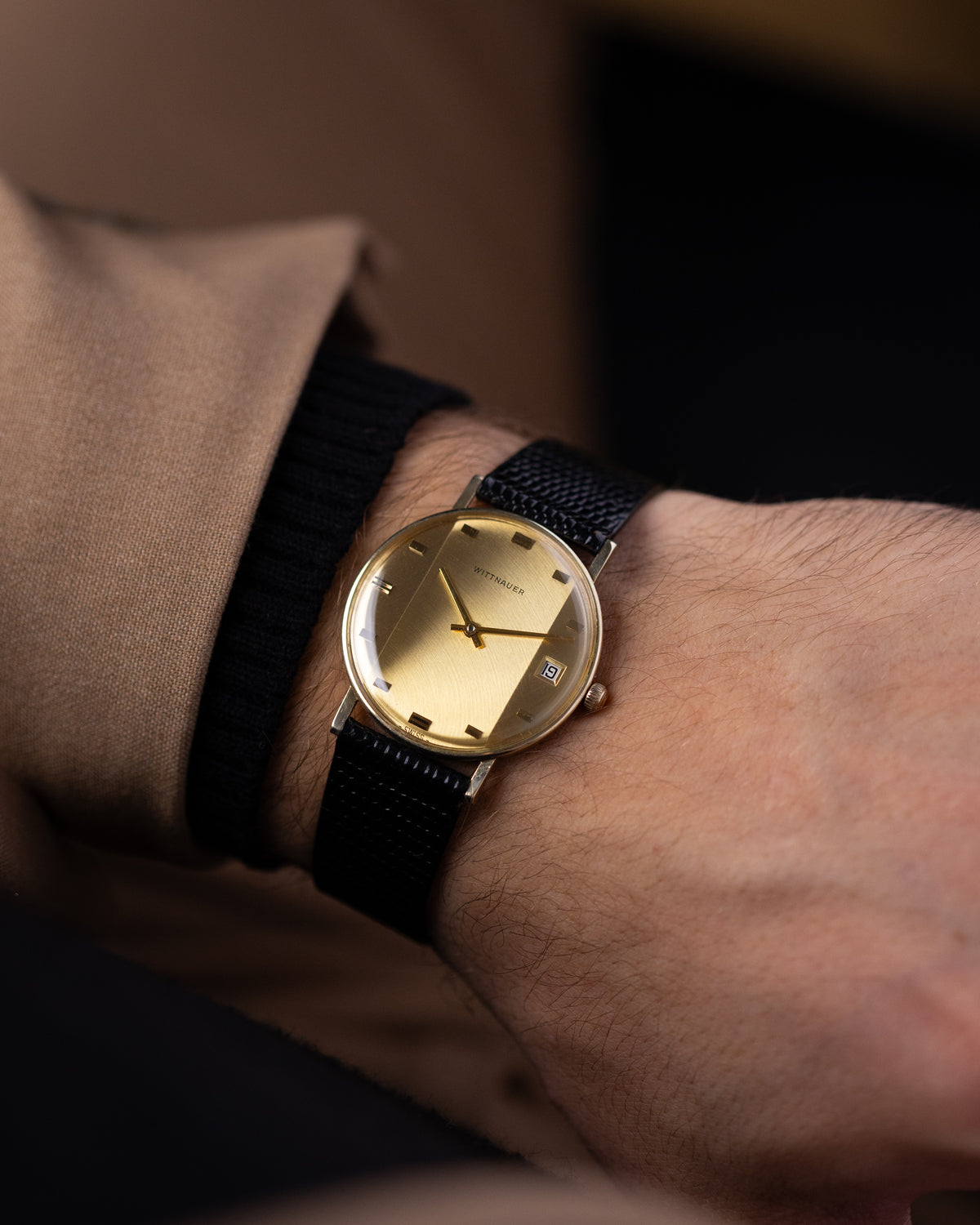
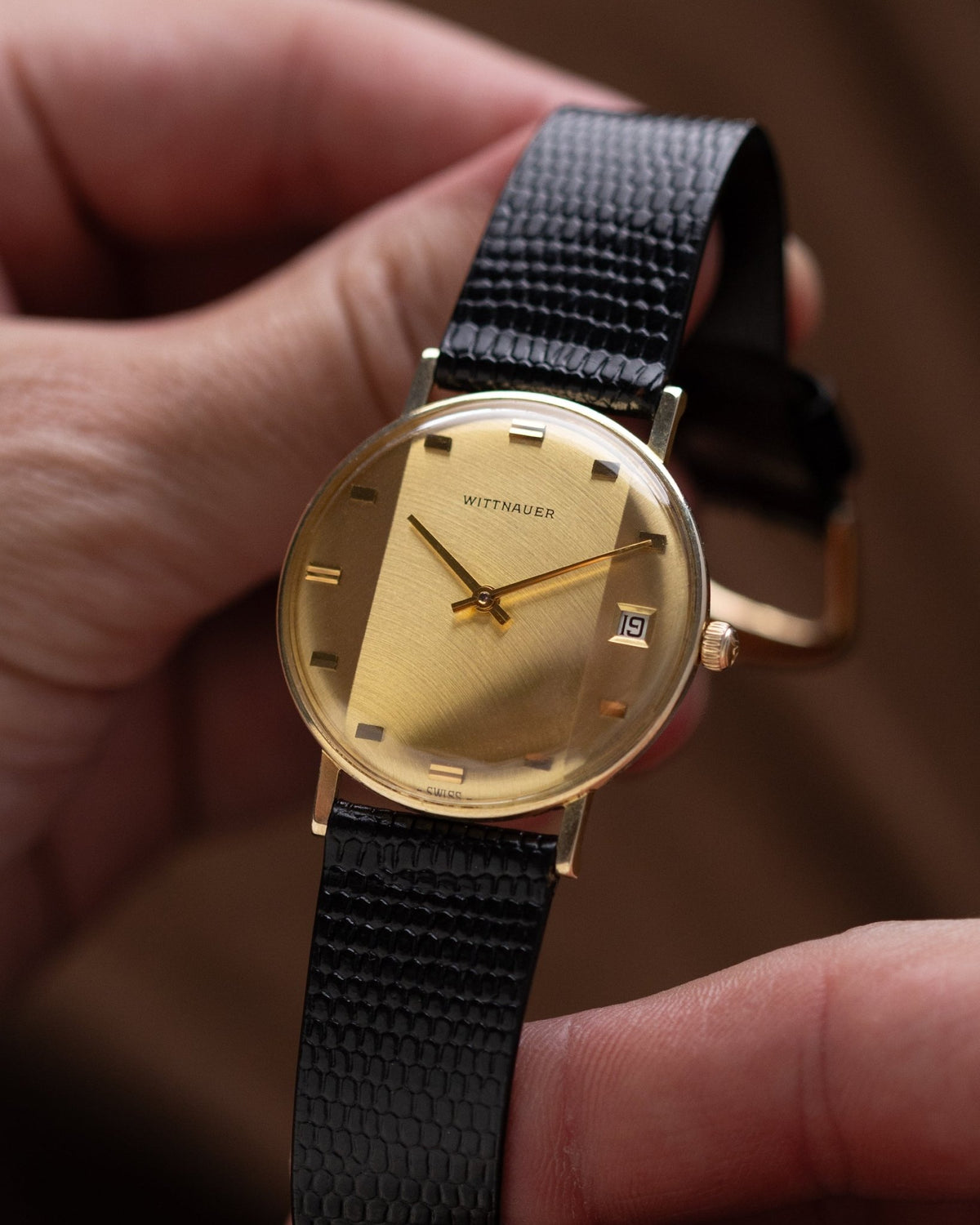
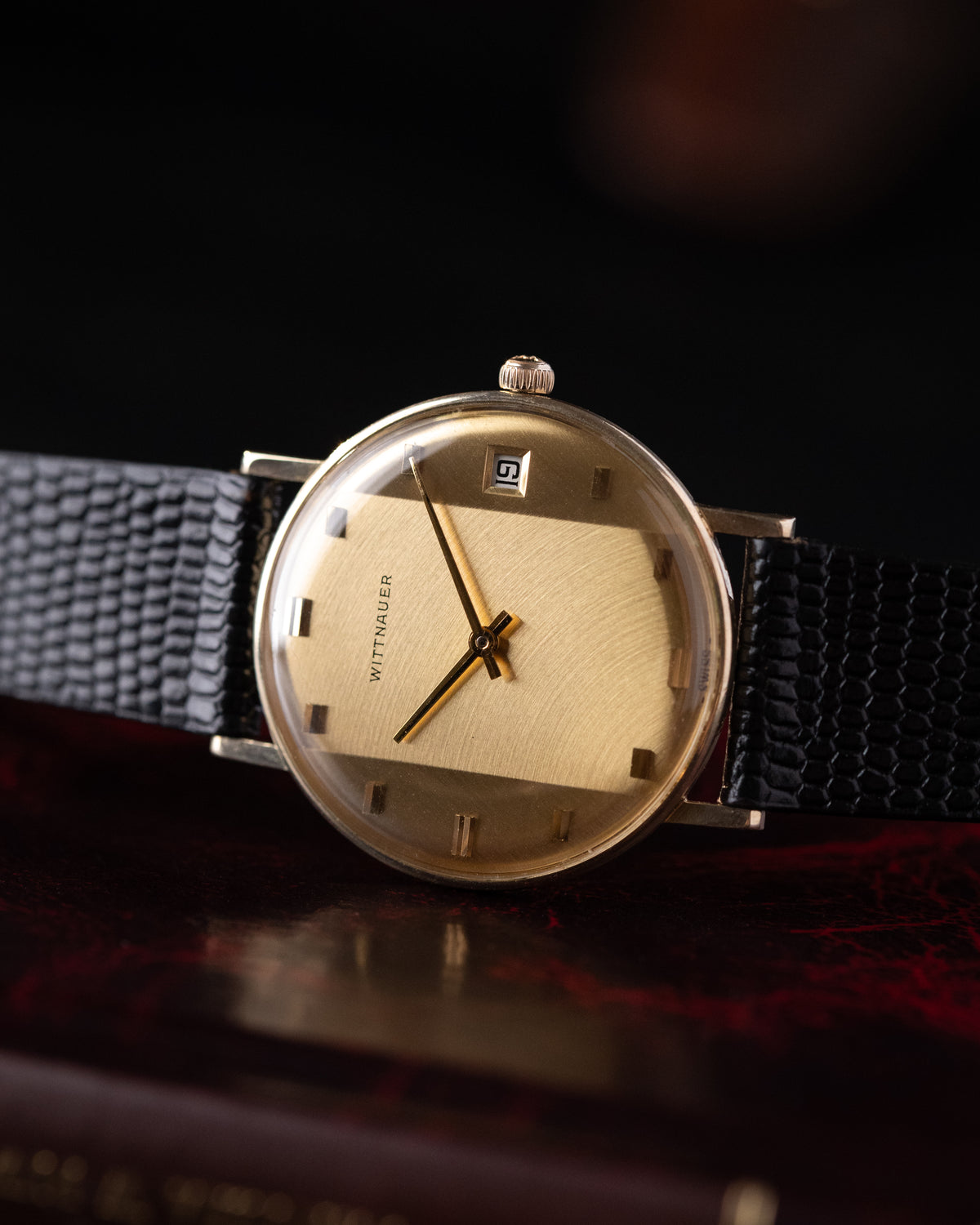
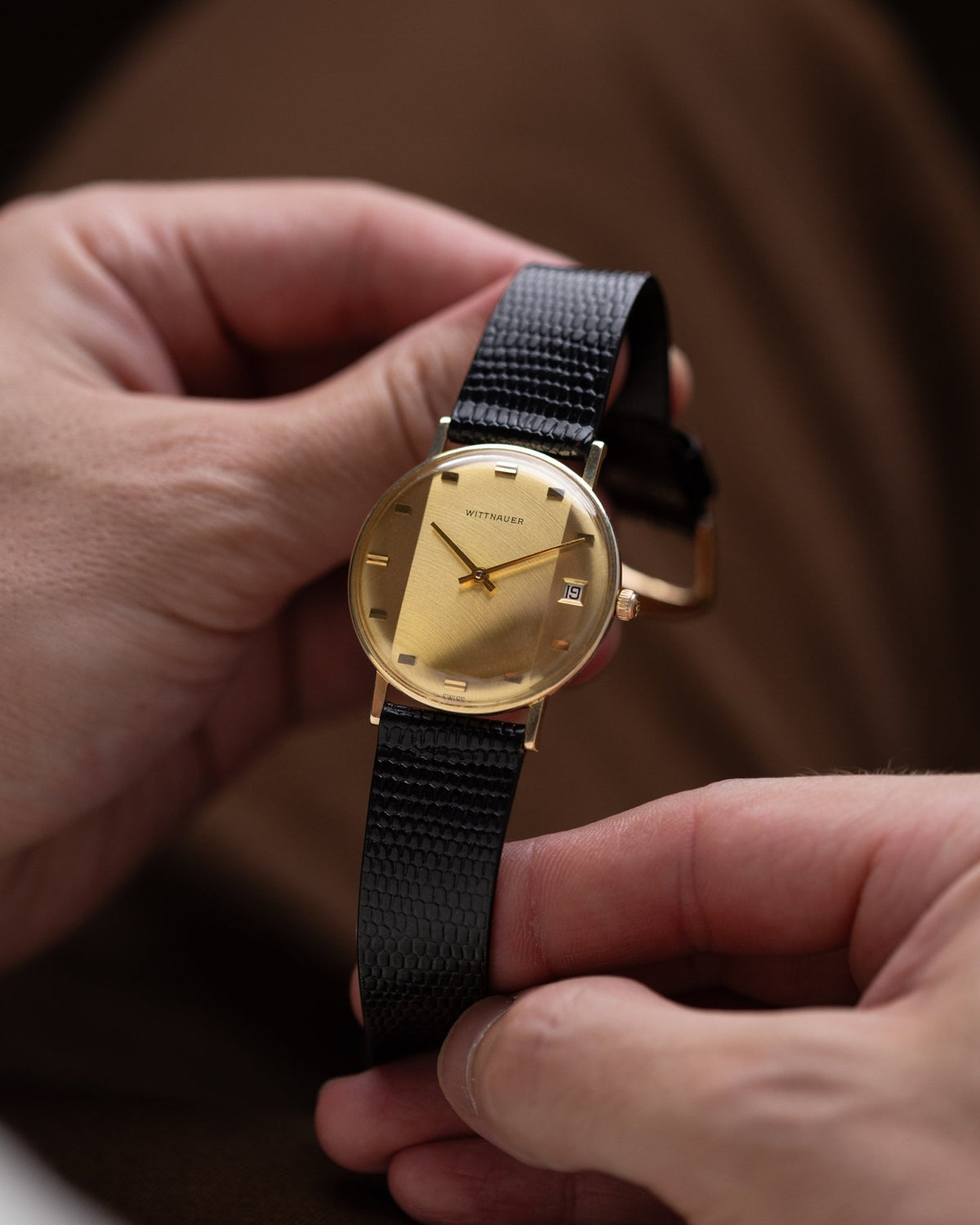
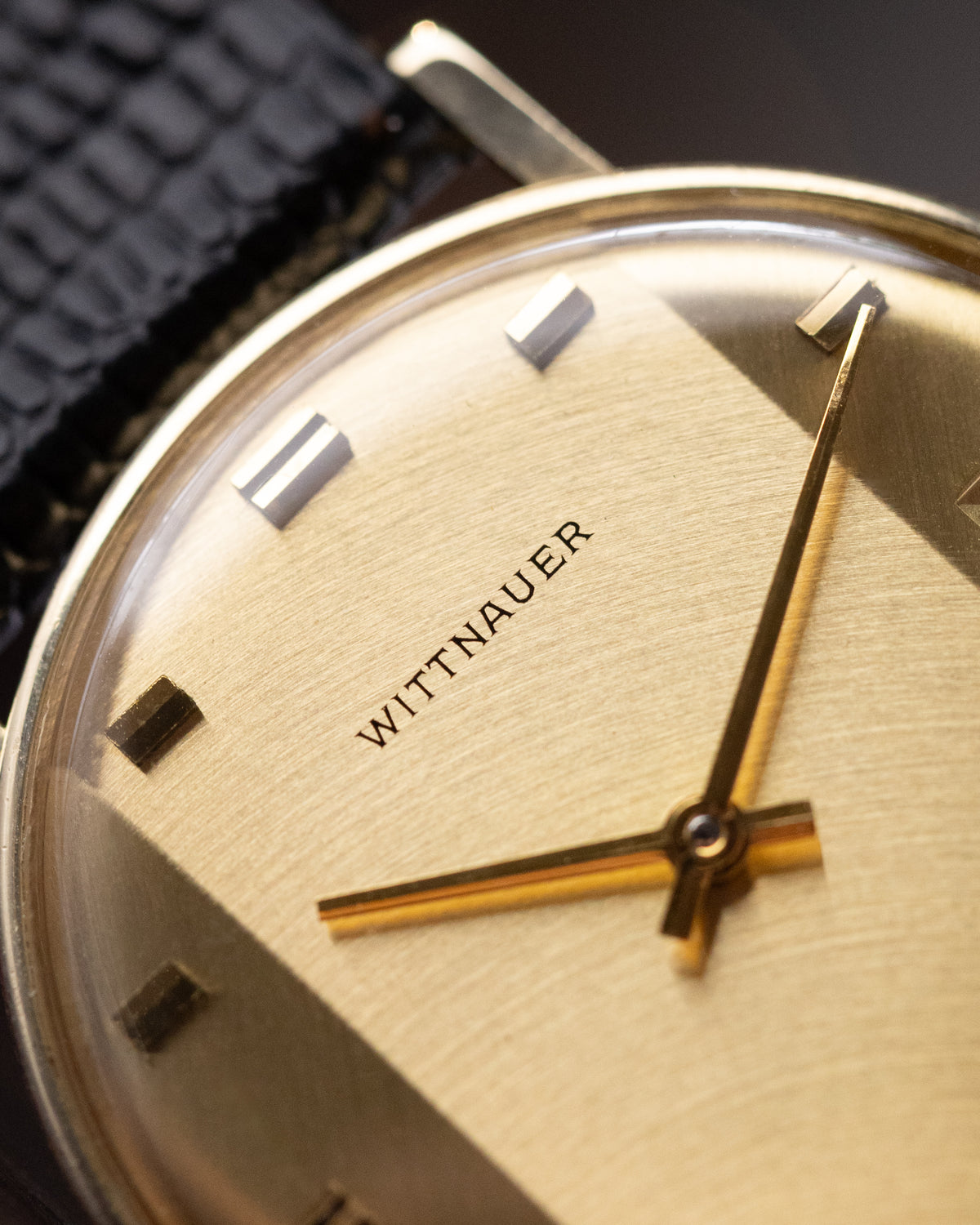
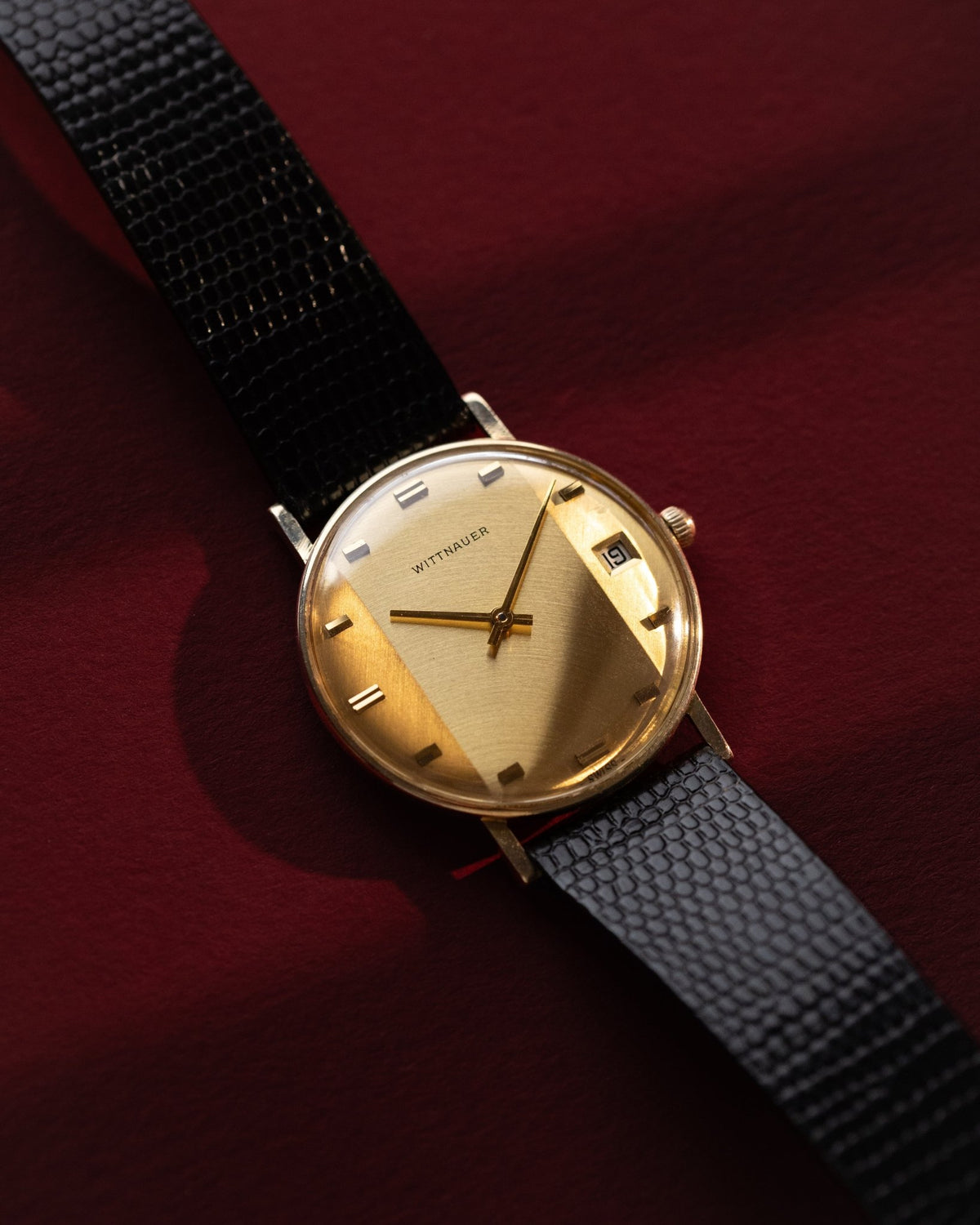
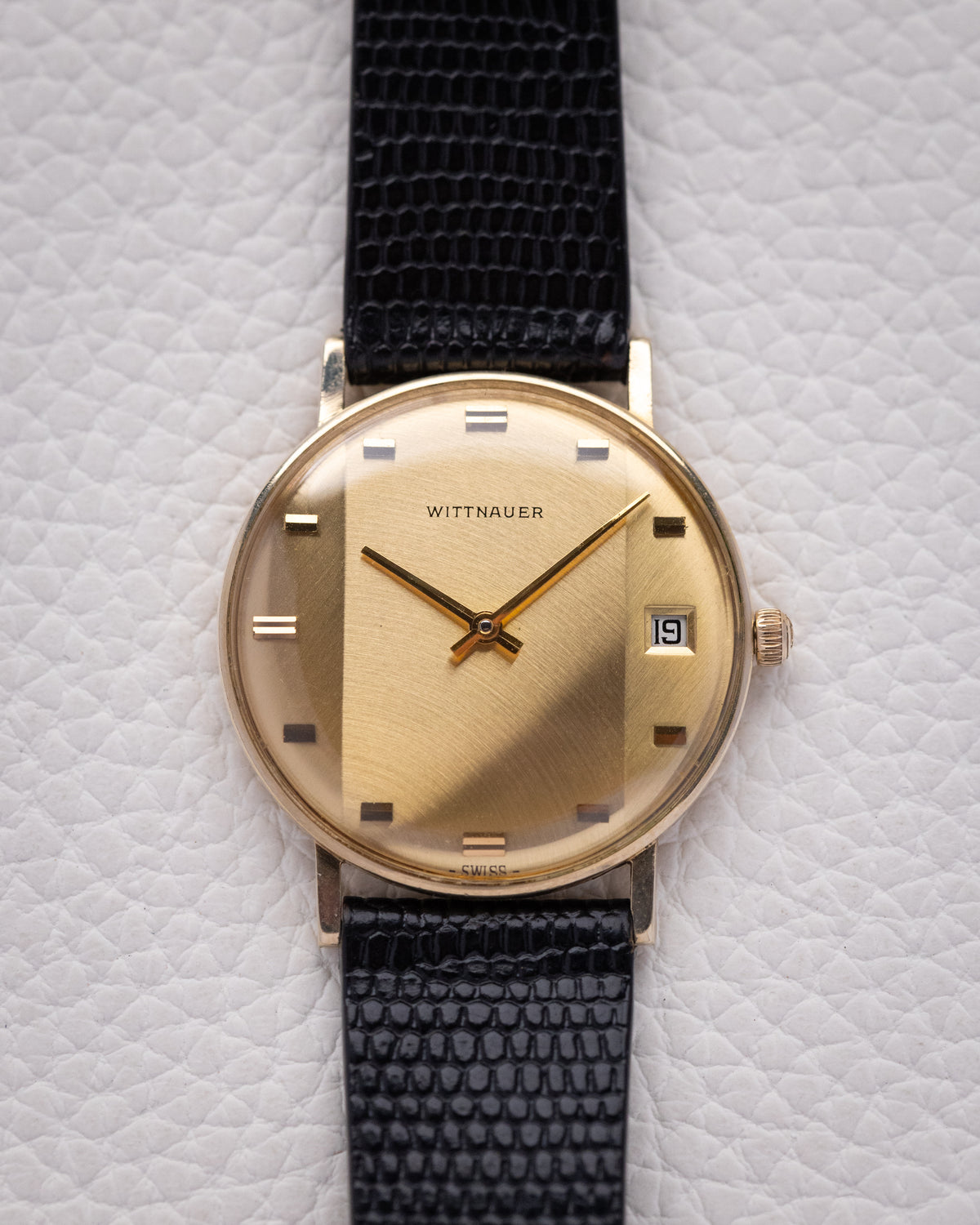
On a factory-cased Longines made before the 15,000,000 mark (February 1969), the case normally carries the same number as the movement. A matching pair is a good sign the movement and case started life together. Longines also shipped bare movements to its US agent Wittnauer, who cased them locally, so an American case often carries a number of its own. A mismatch there is normal and doesn't mean the watch is wrong.
What the Serial Number Can and Cannot Tell You
Longines serial numbers are sequential: as production grew, the numbers increased. Comparing a serial number with documented production records gives a reliable estimate of the year for most vintage pieces.
The result is still approximate. Longines gave out serial numbers when a batch of movements was started, and those movements were finished, cased and sold over the following months. In slow years, such as the early 1930s, some stayed in stock far longer. Read the serial number date as "no earlier than", and treat it as the start of the watch's story rather than the day it reached its first owner.
Longines Serial Number Chart
Find the row where your serial number falls between the starting and ending numbers. Each row shows the approximate production year, using the same data as our Longines decoder above. The chart covers 1870 to 1980.
| Serial number from | Serial number to | Production year |
|---|---|---|
| 20,000 | 35,999 | 1870 |
| 36,000 | 51,999 | 1871 |
| 52,000 | 67,999 | 1872 |
| 68,000 | 83,999 | 1873 |
| 84,000 | 99,999 | 1874 |
| 100,000 | 121,424 | 1875 |
| 121,425 | 142,849 | 1876 |
| 142,850 | 164,274 | 1877 |
| 164,275 | 185,699 | 1878 |
| 185,700 | 207,124 | 1879 |
| 207,125 | 228,549 | 1880 |
| 228,550 | 249,999 | 1881 |
| 250,000 | 291,669 | 1882 |
| 291,670 | 333,339 | 1883 |
| 333,340 | 375,009 | 1884 |
| 375,010 | 416,679 | 1885 |
| 416,680 | 458,349 | 1886 |
| 458,350 | 499,999 | 1887 |
| 500,000 | 549,999 | 1888 |
| 550,000 | 599,999 | 1889 |
| 600,000 | 649,999 | 1890 |
| 650,000 | 699,999 | 1891 |
| 700,000 | 749,999 | 1892 |
| 750,000 | 791,099 | 1893 |
| 791,100 | 832,799 | 1894 |
| 832,800 | 874,399 | 1895 |
| 874,400 | 915,999 | 1896 |
| 916,000 | 957,799 | 1897 |
| 957,800 | 999,399 | 1898 |
| 999,400 | 1,124,699 | 1899 |
| 1,124,700 | 1,249,999 | 1900 |
| 1,250,000 | 1,319,999 | 1901 |
| 1,320,000 | 1,439,999 | 1902 |
| 1,440,000 | 1,499,999 | 1903 |
| 1,500,000 | 1,749,999 | 1904 |
| 1,750,000 | 1,849,999 | 1905 |
| 1,850,000 | 1,949,999 | 1906 |
| 1,950,000 | 2,099,999 | 1907 |
| 2,100,000 | 2,249,999 | 1908 |
| 2,250,000 | 2,374,999 | 1909 |
| 2,375,000 | 2,499,999 | 1910 |
| 2,500,000 | 2,749,999 | 1911 |
| 2,750,000 | 2,899,999 | 1912 |
| 2,900,000 | 3,074,999 | 1913 |
| 3,075,000 | 3,249,999 | 1914 |
| 3,250,000 | 3,374,999 | 1915 |
| 3,375,000 | 3,499,999 | 1916 |
| 3,500,000 | 3,624,999 | 1917 |
| 3,625,000 | 3,749,999 | 1918 |
| 3,750,000 | 3,814,999 | 1919 |
| 3,815,000 | 3,879,999 | 1920 |
| 3,880,000 | 3,944,999 | 1921 |
| 3,945,000 | 4,046,999 | 1922 |
| 4,047,000 | 4,147,999 | 1923 |
| 4,148,000 | 4,249,999 | 1924 |
| 4,250,000 | 4,499,999 | 1925 |
| 4,500,000 | 4,624,999 | 1926 |
| 4,625,000 | 4,749,999 | 1927 |
| 4,750,000 | 4,885,999 | 1928 |
| 4,886,000 | 4,958,999 | 1929 |
| 4,959,000 | 5,030,999 | 1930 |
| 5,031,000 | 5,103,999 | 1931 |
| 5,104,000 | 5,176,999 | 1932 |
| 5,177,000 | 5,249,999 | 1933 |
| 5,250,000 | 5,332,999 | 1934 |
| 5,333,000 | 5,415,999 | 1935 |
| 5,416,000 | 5,499,999 | 1936 |
| 5,500,000 | 5,749,999 | 1937 |
| 5,750,000 | 5,849,999 | 1938 |
| 5,850,000 | 5,949,999 | 1939 |
| 5,950,000 | 6,139,999 | 1940 |
| 6,140,000 | 6,330,999 | 1941 |
| 6,331,000 | 6,521,999 | 1942 |
| 6,522,000 | 6,712,999 | 1943 |
| 6,713,000 | 6,903,999 | 1944 |
| 6,904,000 | 7,105,999 | 1945 |
| 7,106,000 | 7,308,999 | 1946 |
| 7,309,000 | 7,510,999 | 1947 |
| 7,511,000 | 7,712,999 | 1948 |
| 7,713,000 | 7,914,999 | 1949 |
| 7,915,000 | 8,224,999 | 1950 |
| 8,225,000 | 8,534,999 | 1951 |
| 8,535,000 | 8,844,999 | 1952 |
| 8,845,000 | 9,182,999 | 1953 |
| 9,183,000 | 9,520,999 | 1954 |
| 9,521,000 | 9,858,999 | 1955 |
| 9,859,000 | 10,200,999 | 1956 |
| 10,201,000 | 10,543,999 | 1957 |
| 10,544,000 | 10,885,999 | 1958 |
| 10,886,000 | 11,211,999 | 1959 |
| 11,212,000 | 11,537,999 | 1960 |
| 11,538,000 | 11,863,999 | 1961 |
| 11,864,000 | 12,115,999 | 1962 |
| 12,116,000 | 12,367,999 | 1963 |
| 12,368,000 | 12,620,999 | 1964 |
| 12,621,000 | 12,872,999 | 1965 |
| 12,873,000 | 13,838,999 | 1966 |
| 13,839,000 | 14,833,999 | 1967 |
| 14,834,000 | 14,999,999 | 1968 |
| 15,000,000 | 50,840,999 | 1969 |
| 50,841,000 | 50,848,999 | 1970 |
| 50,849,000 | 50,850,999 | 1971 |
| 50,851,000 | 50,857,999 | 1972 |
| 50,858,000 | 51,108,999 | 1973 |
| 51,109,000 | 52,215,999 | 1974 |
| 52,216,000 | 52,798,999 | 1975 |
| 52,799,000 | 53,477,999 | 1976 |
| 53,478,000 | 54,386,999 | 1977 |
| 54,387,000 | 54,474,999 | 1978 |
| 54,475,000 | 54,901,999 | 1979 |
| 54,902,000 | 55,000,000 | 1980 |
Production years are approximate. These ranges reproduce the data used by the decoder above and are not a substitute for Longines archival confirmation.
Common Mistakes to Avoid
- Using the wrong number. Reference numbers, bracelet codes and clasp markings cannot date a watch. Only the movement serial number can.
- Relying on unverified charts. Serial number tables circulating online do not always agree, and transcription errors multiply as they are copied.
- Confusing production year with sale date. The serial number shows when the movement batch was started, not when the watch was sold.
- Reading a non-matching case as a fake. A US-cased Longines from the Wittnauer era often has a local case number. Check the movement first.
Longines Archive Extracts
Longines keeps historical archives and offers an official extract service. An extract may include the production date, the original destination market and the movement calibre. The current terms from the official Longines page:
| Service | What you get | Price | Time |
|---|---|---|---|
| Extract from the archives | The information held in the Longines archives, printed on official paper. Watches over 10 years old only | CHF 120 | 4–5 weeks + shipping |
| Certificate of authenticity | The watch is examined and authenticated by a Longines watchmaker | CHF 300 | About 3 months + shipping |
Keep in mind that an extract is historical information and doesn't certify the watch or its parts as authentic. That's the certificate's job.
It is worth requesting an extract when:
- the watch is being prepared for auction or a high-value private sale;
- it is a military, aviation or otherwise historically significant reference;
- component originality is in question;
- provenance is part of the watch's value to a buyer.
Requests are submitted through the official Longines website.




















Frequently Asked Questions
Where is the serial number on a vintage Longines watch?
On most vintage Longines it is engraved on the movement, so the caseback has to be removed, ideally by a watchmaker. Some models also carry it inside the caseback. Modern pieces often show it on the outer caseback or in the original paperwork.
Can I use the reference number to date my Longines?
No. A reference number identifies the model, not the individual watch. Only the movement serial number is linked to production records.
Does the serial number tell me when the watch was sold?
Not exactly. It reflects when the movement batch was started, which may come months before the retail sale, and occasionally longer.
Why don't the numbers on my case and movement match?
On a watch cased in the US or another export market, that's normal. Longines supplied bare movements for local cases, which carry their own numbers. On a factory-cased Swiss Longines from before 1969, a mismatch is worth a closer look.
Does Longines offer official dating services?
Yes. Longines issues archive extracts for watches over 10 years old, currently CHF 120 with 4–5 weeks' processing plus shipping. Requests go through the official Longines website.
Does the production date affect the value of a vintage Longines?
Often, yes. Collectors look for specific periods: Art Deco designs of the 1920s and 1930s, military references of the 1940s, post-war dress watches. A confirmed date with period-correct components makes a watch more desirable.
What if my serial number isn't in the table?
The table shows selected milestones. If your number falls between two entries, the year is within that range. The decoder covers the full dataset from 1870 to 1980. For examples outside that window, request an official Longines archive extract.
Disclaimer: This tool provides approximate production dates. For official confirmation, request a Longines archive extract or consult an authorised Longines service centre.

Fast Shipping
Enjoy fast worldwide shipping and easy returns for a seamless shopping experience.

Expert Support
Get help from our watch experts anytime via chat or email.

Curated Collection
Discover unique, rare watches that are tested and verified by our team.

Satisfied Customers
Hundreds of happy customers and genuine reviews to boost your confidence.
