
Most people start collecting vintage watch brands the same way — with a Rolex on the mind and a Rolex-sized budget nowhere in sight. But the real pleasure of this hobby begins the moment you look past the obvious names. The history of twentieth-century watchmaking is far wider, far stranger, and far more rewarding than the auction headlines suggest.
This guide is a practical, brand-by-brand tour of the manufacturers that shaped the golden age of horology — what made each one collectible, which references are worth chasing, and where the smart value still sits in 2026. Whether you're buying your first vintage piece or building out a serious collection, you'll come away knowing exactly where each of the great vintage watch brands belongs in your plans.
At a Glance: The Brands That Matter
Before we get into the detail, here's the shape of the landscape. Dozens of manufacturers made great watches in the twentieth century, but a handful define what serious collectors chase today. These four sit at the corners of the map — the benchmark, the value play, the pinnacle, and the insider's secret.
The most liquid, most documented, most collected name in the vintage market. Tool-watch icons like the Submariner and GMT-Master set the standard everyone else is measured against — and priced accordingly.
Arguably the finest quality-per-dollar in all of vintage collecting. A vast, historically rich catalogue — Speedmaster, Seamaster, Constellation — with entry points that still start remarkably low.
The highest expression of traditional Swiss watchmaking. Calatrava, Ellipse, and early perpetual calendars command extraordinary results — the aspirational end of the market for good reason.
The name experienced collectors whisper about. Superb mid-century chronographs and the Genta-designed Polerouter — historically vital, and still undervalued relative to its influence.
Those four aren't the whole story, though — not even close. The table below widens the frame to twelve of the most important vintage watch brands, with founding dates, signature strengths, a rough vintage entry point, and how much collector demand each one commands today.
| Brand | Founded | Best Known For | Vintage Entry | Collector Appeal |
|---|---|---|---|---|
| Rolex | 1905 | Tool watches, Oyster case | High | ★★★★★ |
| Omega | 1848 | Speedmaster, Seamaster, Constellation | Accessible | ★★★★★ |
| Patek Philippe | 1839 | Haute horlogerie, dress watches | Elite | ★★★★★ |
| Vacheron Constantin | 1755 | Ultra-thin dress watches | Elite | ★★★★★ |
| Jaeger-LeCoultre | 1833 | Movements, Memovox, Reverso | Mid | ★★★★☆ |
| Universal Genève | 1894 | Chronographs, micro-rotor | Mid & rising | ★★★★☆ |
| Longines | 1832 | Chronometers, flyback chronographs | Accessible | ★★★★☆ |
| Zenith | 1865 | El Primero chronograph | Mid | ★★★★☆ |
| IWC Schaffhausen | 1868 | Pilot watches, Ingenieur | Mid | ★★★★☆ |
| Movado | 1881 | Mid-century design, Borgel cases | Accessible | ★★★☆☆ |
| Enicar | 1913 | Sherpa dive & sports watches | Entry | ★★★☆☆ |
| Doxa | 1889 | SUB professional divers | Accessible | ★★★★☆ |
What Makes a Vintage Brand Collectible
It's tempting to think a famous logo is what drives value. It isn't — or at least, it isn't the whole picture. The brands that hold their place at the top of the market all share a set of deeper traits, and once you learn to spot them, you'll start evaluating any watch far more clearly than the crowd does.
Historical innovation and in-house movements
The greatest vintage watch brands didn't just assemble watches — they moved the craft forward. Rolex's Oyster case, introduced in the 1920s, rewrote the rules on water resistance. Omega industrialized precision manufacturing with interchangeable movement parts in the late nineteenth century. Zenith's El Primero was among the first high-frequency automatic chronographs when it arrived in 1969. Innovation like this leaves a permanent mark, and collectors reward it decade after decade.
Manufacturing quality and finishing
Look past the dial and into the movement, and the differences become obvious. Jaeger-LeCoultre and Patek Philippe finished their calibers to a standard that still humbles most modern watches. Longines, remarkably, often matched brands that cost several times more. Quality of this kind ages beautifully — a well-made movement from 1955 can still keep excellent time, and that reliability is a large part of why these pieces remain desirable.
Demand, documentation, and parts
A collectible brand needs a living community around it. Strong collector demand, a deep paper trail, and a supply of replacement parts all matter enormously when it comes time to service or sell. Rolex leads here by a wide margin, but Omega, Longines, and Jaeger-LeCoultre all benefit from large, knowledgeable followings. When you can research a reference easily and find a watchmaker who knows it, ownership gets a lot less stressful.
Consistent design language
Finally, the enduring brands speak with a recognizable voice across generations. You can spot a mid-century Omega Constellation or a Universal Genève Polerouter from across a room. That visual consistency is a quiet form of value — it means the design was right the first time, and it keeps these watches looking considered long after fashions have moved on. If you'd like to see how case shape fits into that story, our guide to rectangular and square watches is a natural companion to this one.
The Blue-Chip Names: Rolex, Omega & Patek
Every collection has to reckon with these three. They're the names your non-collector friends already know, and they anchor the market's top tier — but they play very different roles, and only one of them is genuinely accessible on a modest budget.
Rolex: the benchmark for the whole market
Few manufacturers have shaped watch collecting as profoundly as Rolex. The Oyster case set a new standard for water resistance, and the later Perpetual rotor helped make the self-winding movement the norm. In vintage terms, the tool watches are the heart of the appeal — the Submariner 5513, the Explorer 1016, the GMT-Master 1675 — alongside dressier classics like the Datejust 1601 and the Day-Date 1803. What you're really buying with a vintage Rolex is liquidity and confidence: outstanding serviceability, a huge collector community, and resale value that rarely disappoints. The trade-off is price. Genuine vintage Rolex has long since left "affordable" behind, so patience and a trusted seller matter more here than anywhere else.

Omega: the collector's value champion
If Rolex is the safe bet, Omega is the smart one. The catalogue is enormous and historically loaded — the Speedmaster's Moonwatch heritage and legendary Caliber 321, the Seamaster's military and diving lineage, and the Constellation's chronometer-grade dress watches with their unmistakable pie-pan dials. The beauty of Omega is range: you can spend five figures on a rare reference, or you can find a lovely gold-capped dress piece or a vintage Genève for a fraction of a comparable Rolex. Dollar for dollar, it's hard to beat, which is why so many seasoned collectors quietly own more Omegas than anything else. Browse the current vintage Omega collection and the value proposition speaks for itself.

Patek Philippe: the pinnacle you grow into
Patek sits at the summit for a reason. Collectors regard it as the highest expression of traditional Swiss watchmaking, and the numbers agree — the Calatrava, the Ellipse, early perpetual calendars, and legendary references like the 2499 continue to post extraordinary auction results. For most people, Patek is aspirational rather than immediate, and that's fine. It's worth understanding the brand early, so that when the right piece and the right moment finally meet, you'll know exactly what you're looking at.
The Connoisseur's Brands: Vacheron, JLC & Universal
This is where collecting gets genuinely interesting. These three names reward knowledge more than money — they're where an educated eye can still find world-class watchmaking without paying the premium that a crown or an Omega logo now commands.
Vacheron Constantin: the oldest name in the room
Founded in 1755, Vacheron Constantin is the world's oldest continuously operating watch manufacturer, and its vintage dress watches are among the most elegant ever made. Ultra-thin automatics, restrained Patrimony-style references, and beautifully proportioned mid-century pieces make up the core of the appeal. Vacheron doesn't shout — that's rather the point — but the finishing and heritage put it firmly in the elite conversation alongside Patek.
Jaeger-LeCoultre: the watchmaker's watchmaker
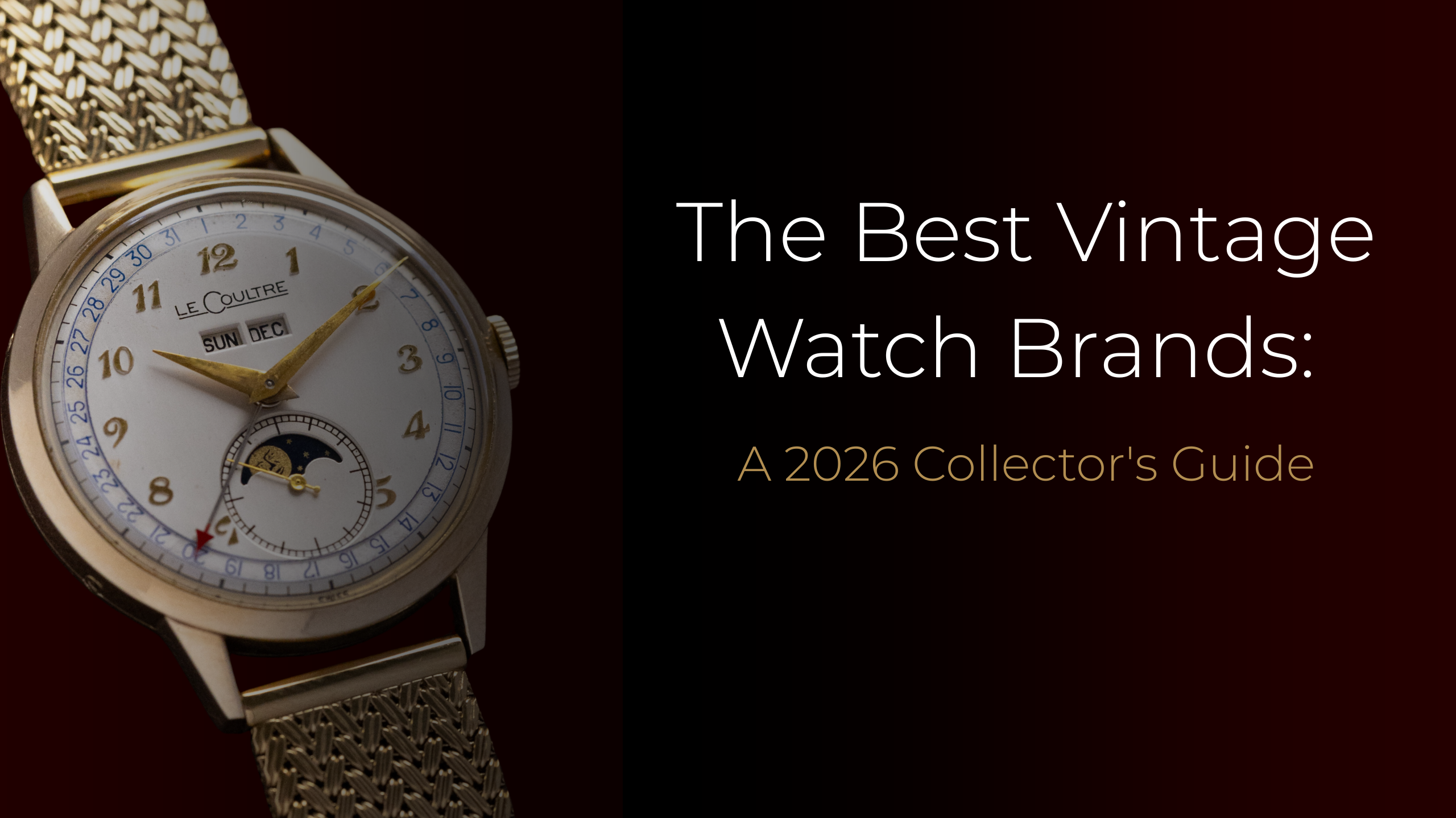
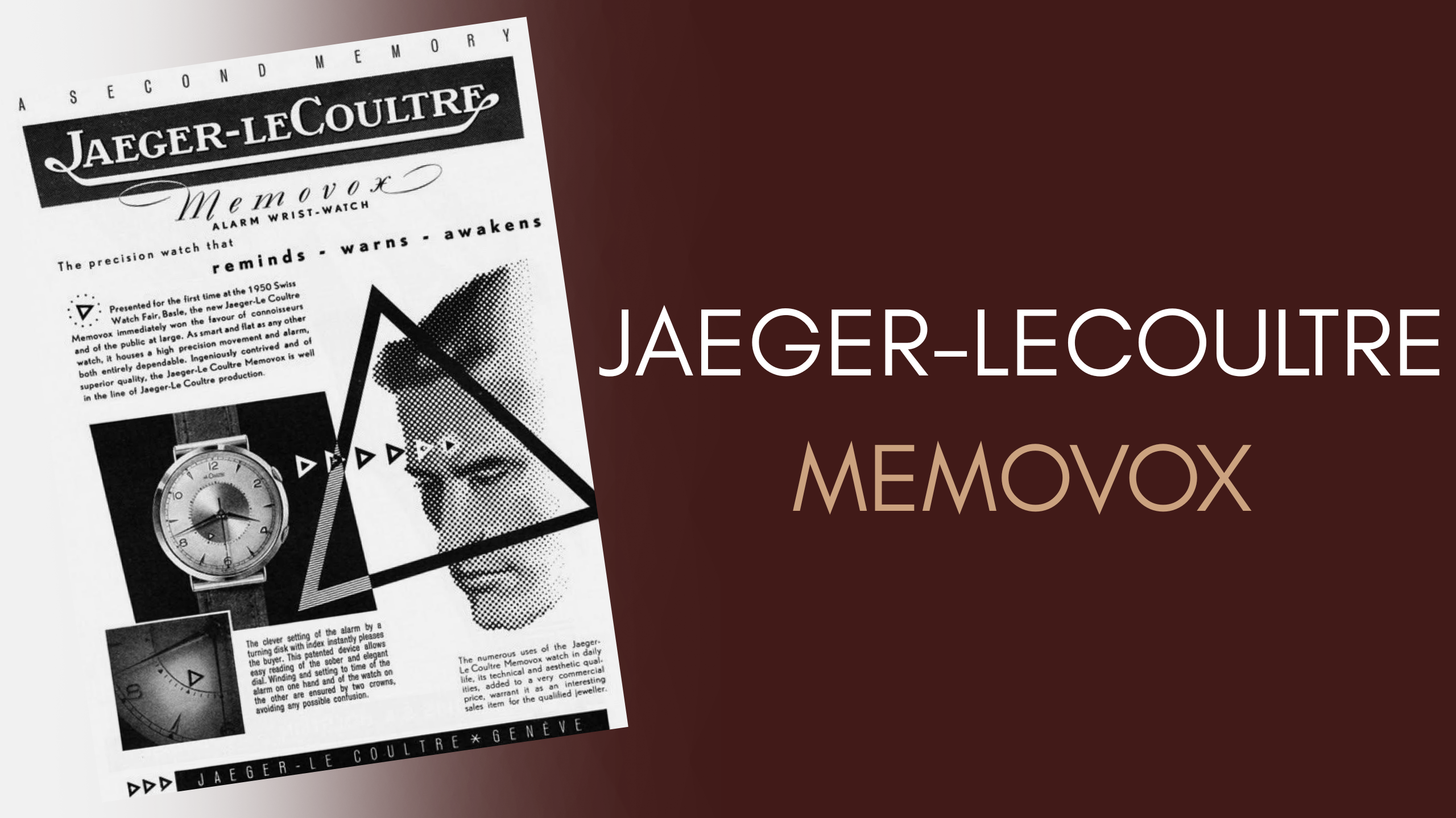
No brand has produced more technical innovations with less fanfare. Jaeger-LeCoultre supplied movements to half the industry — including some of the most respected names above — while building icons of its own: the Memovox alarm, the ingenious Futurematic, the flippable Reverso, and the Geophysic. The movement finishing ranks among the finest in Switzerland, and yet vintage JLC still trades at a relative discount to its quality. For collectors who care about what's under the dial, few brands offer more. You can explore available pieces in the vintage Jaeger-LeCoultre collection.

Universal Genève: the undervalued great
Ask experienced collectors which brand is most underpriced relative to its importance, and Universal Genève comes up again and again. Its mid-century chronographs — the Compax, Tri-Compax, and Aero-Compax — are superb, and the Polerouter, designed by a young Gérald Genta, pioneered a micro-rotor automatic movement that's still admired today. Prices have climbed as the secret has spread, but by the standards of what this brand achieved, Universal Genève arguably remains a bargain. See what's in stock in the vintage Universal Genève collection.

Here's the pattern worth internalizing: the further a brand sits from mainstream recognition, the more your knowledge is worth. A Rolex Submariner is priced efficiently — everyone knows what it is, so there's little room to buy cleverly. A superb Universal Genève chronograph or a crisp Jaeger-LeCoultre is priced by a smaller, better-informed market, which means research and patience can still translate directly into value.
That's not a reason to avoid the blue-chip names. It's a reason to make sure your collection isn't only blue-chip names. The most satisfying collections almost always mix a recognizable anchor or two with several pieces the owner discovered for themselves.
Underrated Value: Longines, Zenith & Movado
Not every great watch costs a great deal. These three brands consistently deliver quality, history, and character at prices that make vintage collecting genuinely welcoming — perfect ground for a first serious purchase or a smart addition to a growing collection.
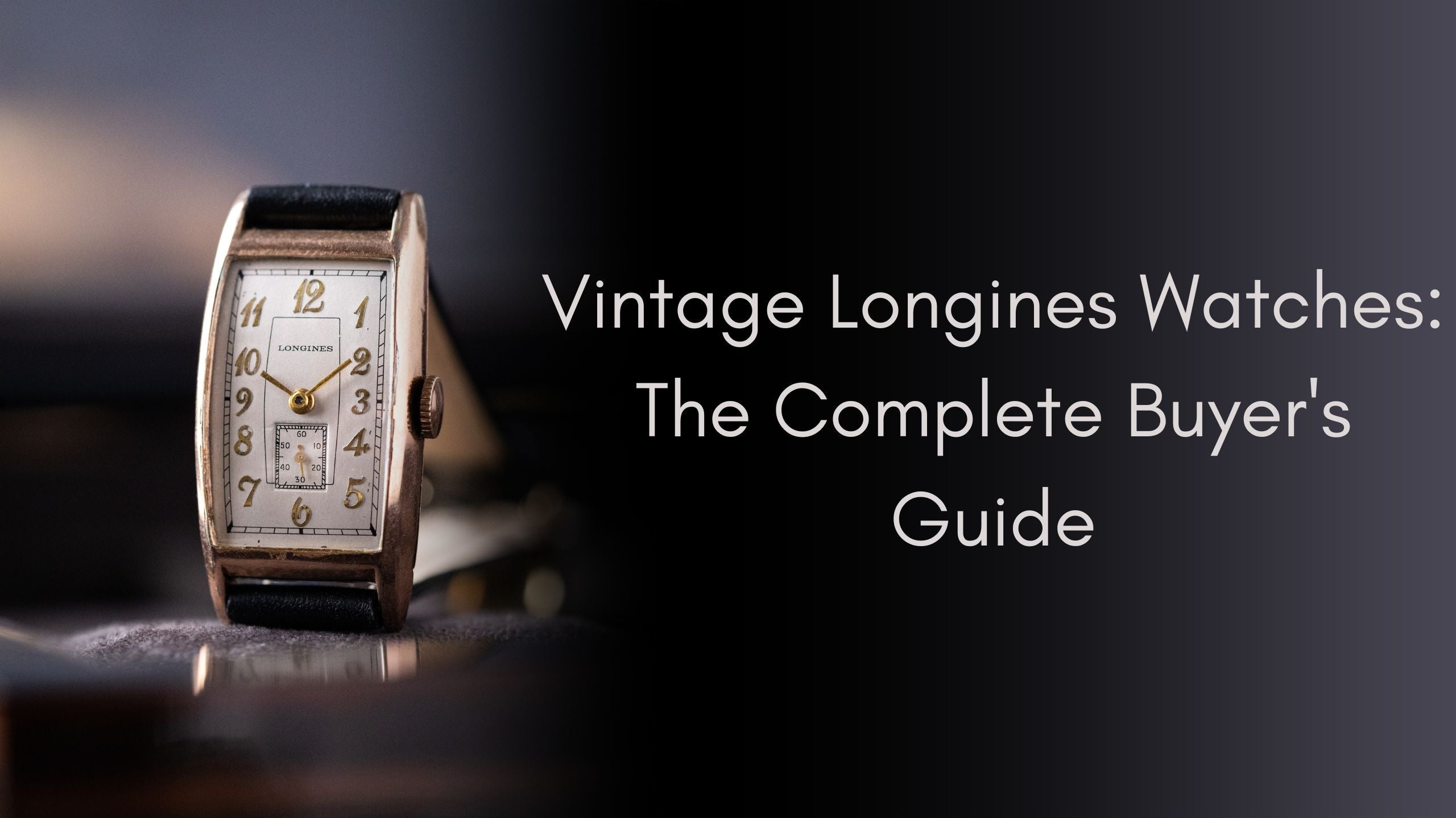
Longines: precision and elegance, quietly
Longines built its name on precision, earning a formidable record in observatory chronometer competitions. Collectors actively seek its early 13ZN flyback chronographs, its Calatrava-style dress watches, and lines like the Flagship, Conquest, and Ultra-Chron. What surprises newcomers most is the finishing — it frequently rivals brands that cost several times as much. For the money, few names offer more genuine watchmaking. The vintage Longines collection is one of the best places to start a collection, and dating a piece is straightforward with our Longines serial number decoder.

Zenith: the chronograph pioneer
Zenith earned its legend with the El Primero, one of the first high-frequency automatic chronograph movements, introduced in 1969. The A386 is the reference collectors dream about, but the wider Chronomaster and Defy families, along with the brand's precision chronometer heritage, make Zenith a rewarding hunt. It's a name that combines real technical significance with prices that haven't yet caught up to the storied blue-chips.
Movado: the mid-century hidden gem
Forget the minimalist modern Movado for a moment — the vintage company was a different animal entirely. Between the 1930s and 1950s it produced beautifully designed mechanical watches, including the clever Polyplan, the Calendograph, and striking triple-calendar references. Many were cased by the celebrated maker François Borgel, whose water-resistant cases are prized in their own right. Movado remains one of vintage collecting's most quietly rewarding value plays; the vintage Movado collection shows why.

Tool-Watch Specialists: IWC, Enicar & Doxa
If your taste runs to watches built for a job — pilots, engineers, and divers — these three specialists deserve a serious look. Two of them remain notably more affordable than the Rolex and Omega tool watches they can stand alongside.
IWC Schaffhausen: German-minded engineering
IWC blends German engineering discipline with Swiss craftsmanship, and its vintage catalogue is a favorite among military and aviation collectors. The Mark XI, built to strict pilot-watch specifications, is the icon; the Ingenieur, the Yacht Club, and the Caliber 89 dress watches round out a lineup with real depth. Demand is strong and steady, which makes IWC a confident, grown-up choice for a collection with a functional bent.
Enicar: exploration heritage on a budget
Enicar is the enthusiast's value pick. Its Sherpa line — worn on genuine mid-century expeditions — and its compressor-style cases carry real adventure credentials, yet the brand remains far more affordable than comparable Rolex or Omega sports watches. For a collector who wants a rugged, historically interesting tool watch without the blue-chip premium, Enicar is hard to beat.
Doxa: the orange-dial diving legend
Doxa made its name with professional dive watches, above all the SUB 300, whose distinctive orange dial was engineered for maximum underwater visibility. It's a brand with genuine diving pedigree and a devoted following, and while prices have firmed up, it still offers a lot of watch and a lot of story for the outlay. Doxa's roots run deeper than diving, though — its earlier dress pieces, including elegant "Patek 565"-style watches in François Borgel cases, are quietly collectible in their own right. The vintage Doxa collection is worth a look whether you're drawn to the water or the dress case.

How to Authenticate a Vintage Watch
Here's the single most useful habit you can build: buy the seller before you buy the watch. No matter how good a piece looks in photos, a knowledgeable, transparent dealer is your best protection against the problems that follow desirable watches everywhere — swapped dials, replaced hands, over-polished cases, and mismatched parts. With that foundation in place, a handful of checks will catch most trouble.
Dial originality: The dial is the soul of the watch and the biggest single driver of value. Refinished or repainted dials — often given away by slightly wrong fonts, too-clean surfaces, or aging that doesn't match the hands — can dramatically reduce collectibility. Original, honestly aged dials are worth chasing.
Hands, crown, and movement: Confirm the hands are the correct style and vintage for the reference, that the crown is period-correct, and that the movement matches what the reference should contain. A wrong caliber inside a "correct" case is a classic red flag.
Case reference and serials: Check reference and serial numbers against known records, and make sure engravings are crisp rather than softened by heavy polishing. Mismatched serials are an immediate reason to walk away.
Hallmarks: On gold and silver cases, precious-metal hallmarks confirm the material and often the origin. Our guide to Swiss watch hallmarks explains how to read these marks with confidence.
Condition versus originality: When in doubt, favor originality over cosmetic perfection. A lightly worn, all-original watch beats a heavily restored one at resale nearly every time. On vintage pieces, honest patina is proof of age, not a flaw.
Service history: Ask when the watch was last serviced and by whom. Vintage servicing can be costly, so knowing where a piece stands helps you avoid a surprise bill. Our vintage watch servicing guide walks through the full process.
None of this needs to be intimidating. Reputable specialists — DuMarko included — inspect and verify every watch before it's listed, and independent authentication services and established auction houses like Christie's and Sotheby's publish results and reference material that make research easier than it's ever been. The tools are all there; you just have to use them before you buy.
Are Vintage Watches a Good Investment?
Let's be honest and clear-eyed about this: no watch should be bought on investment logic alone. That mindset tends to leave you owning things you don't actually want to wear, and the market rarely rewards impatience. Buy what you love first — that way you win regardless of what prices do.
With that said, the long-term picture for well-chosen vintage watches has been encouraging. Certain traits consistently support desirability over time: original condition, low production numbers, historical significance, documented provenance, rare dial configurations, and complete box and papers. Notice what's doing the heavy lifting there — condition and originality, far more than the logo. A worn but honest example routinely outperforms a shiny restored one when it's time to sell.
The pattern that plays out again and again is the overlooked brand catching up. A decade ago, plenty of collectors treated Universal Genève, Zenith, and vintage Longines as second-tier next to Rolex. As knowledge spread and results became public, the gap narrowed. That doesn't guarantee history repeats, but it does suggest where the patient value tends to live — in the great watchmaking that the wider market hasn't fully priced yet. Build around quality and originality, treat any appreciation as a bonus, and you'll rarely go wrong.
Which Vintage Brand Is Right for You?
The honest answer depends entirely on what you want from the watch — and from the hobby. Here's how the field maps onto four common collector types.
Maximum quality and history for the money, with large communities and easy servicing. The most forgiving, most rewarding place to begin — and you'll never outgrow them.
Unmatched liquidity, documentation, and market stability. The choice when confidence and resale strength matter most — provided you buy from a trusted source.
World-class watchmaking at a relative discount to fame. Best for buyers who enjoy the research and want pieces the mainstream market hasn't fully caught up to.
Purpose-built pilots and divers with genuine field heritage. The pick for those who want a rugged watch with a story — and, in two of three cases, a friendly price.
What makes vintage collecting so rewarding is that there's no single right answer here — only the right answer for you. The finest collections are rarely built around popularity alone. They're built through careful research, disciplined buying, and a real appreciation for the craftsmanship that defined twentieth-century watchmaking. Prioritize originality, mechanical integrity, and the pieces that genuinely move you, and you'll assemble something that offers lasting enjoyment and a tangible connection to horology's golden age.
Ready to start looking? Browse the full vintage Swiss watch collection at DuMarko to see these brands in the metal — or, if you're buying for someone else, our gift guide to buying a vintage watch makes it simple.
Your Questions Answered
Frequently Asked Questions