
If you've spent any time browsing vintage Swiss watches, you've probably stumbled across listings filled with words like gold, gold-plated, gold-filled, or gold-capped. They sound similar — but when it comes to craftsmanship, value, and long-term wear, those distinctions matter a great deal.
This guide cuts through the confusion, one layer at a time — covering what each type actually means, how to spot them, and which makes the most sense for your collection or next purchase.
At a Glance: The Four Types Compared
Before diving into the detail, here's a quick overview of all four gold types and where they sit relative to each other.
Made entirely from a gold alloy (14k or 18k). No base metal beneath. The premium choice for collectors and investors — identifiable by Swiss hallmarks like the Head of Helvetia or Squirrel.
A thick sheet of solid gold pressed over a steel core. Visually indistinguishable from solid gold. The preferred middle ground of mid-century Swiss watchmaking — Omega, Longines, Universal Genève.
A thick layer of gold mechanically bonded to a base metal — legally required to be at least 5% of total weight. Far more durable than plating. Very popular in mid-century American watchmaking.
A thin layer of gold — often just a few microns — deposited over steel or brass via electroplating. The look without the commitment. Wears off with time and cannot be restored without re-plating.
| Type | Gold Layer | Durability | Investment Value | Best For |
|---|---|---|---|---|
| Solid Gold | 100% gold alloy | High (soft but no base metal) | ★★★★★ | Collectors, investors |
| Gold-Capped | Thick solid gold shell | Very High | ★★★★☆ | Daily wear, vintage collecting |
| Gold-Filled | Min. 5% gold by weight | High | ★★★☆☆ | Everyday wear, beginners |
| Gold-Plated | A few microns | Low (wears off) | ★★☆☆☆ | Occasional wear, budget |
Solid Gold Watches: The Real Deal
Solid gold watches are made entirely from a gold alloy rather than being coated. You'll rarely find 24k gold because it's too soft; most solid gold cases are 14k or 18k, giving that ideal mix of strength and shine. They're unmistakably weighty — in feel and in price — and that's part of the charm.
Many vintage Swiss watches in solid gold age beautifully, developing a warm patina that makes each piece feel alive. Classic examples include 1950s Omega Constellations and early Rolex Datejusts — icons in both men's and women's vintage watches depending on size and style.

Are Solid Gold Watches a Good Investment?
Solid gold watches can be a good investment — but not always for the reasons people assume. Their intrinsic value is supported by gold content itself, which provides a tangible floor price based on weight and current market rates. This makes them generally more stable in value than gold-plated or gold-filled pieces.
The real investment potential often depends more on brand, rarity, condition, and originality than on gold content alone. A solid gold case from a prestigious manufacturer — Rolex, Patek Philippe, Omega — will typically outperform a lesser-known brand even if both contain the same amount of gold.
For vintage collectors, solid gold watches offer a combination of precious metal value and horological desirability. But they should be purchased primarily for quality and collectability rather than gold weight alone.
Gold-Plated Watches: The Look Without the Weight
Gold-plated watches are the entry point into the golden look. These pieces start with a steel or brass base coated in a thin layer of gold — often through electroplating — to a thickness of just a few microns. The result looks luxurious at first glance, but plating wears off. The more a gold-plated watch is polished or bumped, the quicker that gold layer disappears, and once it's gone it cannot be restored without re-plating.
That's why collectors of vintage watches tend to favour well-preserved examples. Still, for those who want the classic golden hue without the price, a gold-plated watch from Tissot, Citizen, or Seiko can deliver timeless style at an accessible entry point.

Gold-Filled Watches: The Sturdy Middle Ground
Gold-filled watches sit comfortably between plated and solid gold. They're made by mechanically bonding a thick sheet of gold to a base metal — and legally, that gold must make up at least 5% of the watch's total weight. That's not decorative; that's commitment.
These watches were especially popular in mid-century America, with brands like Hamilton, Bulova, and Elgin leading the charge. They hold up remarkably well over time — resisting wear far better than plating and often ageing like true gold watches. Collectors often call them the hidden gems of the vintage watch market: affordable, authentic, and built to last decades.

Gold-Capped Watches: The Quiet Sophisticate
Gold-capped watches use a solid sheet of gold pressed over a steel case — like a golden shell hugging a durable core. Instead of thin plating or chemically bonded layers, the gold here is thick enough to polish and scratch-resistant, and visually indistinguishable from a full gold case at a glance.
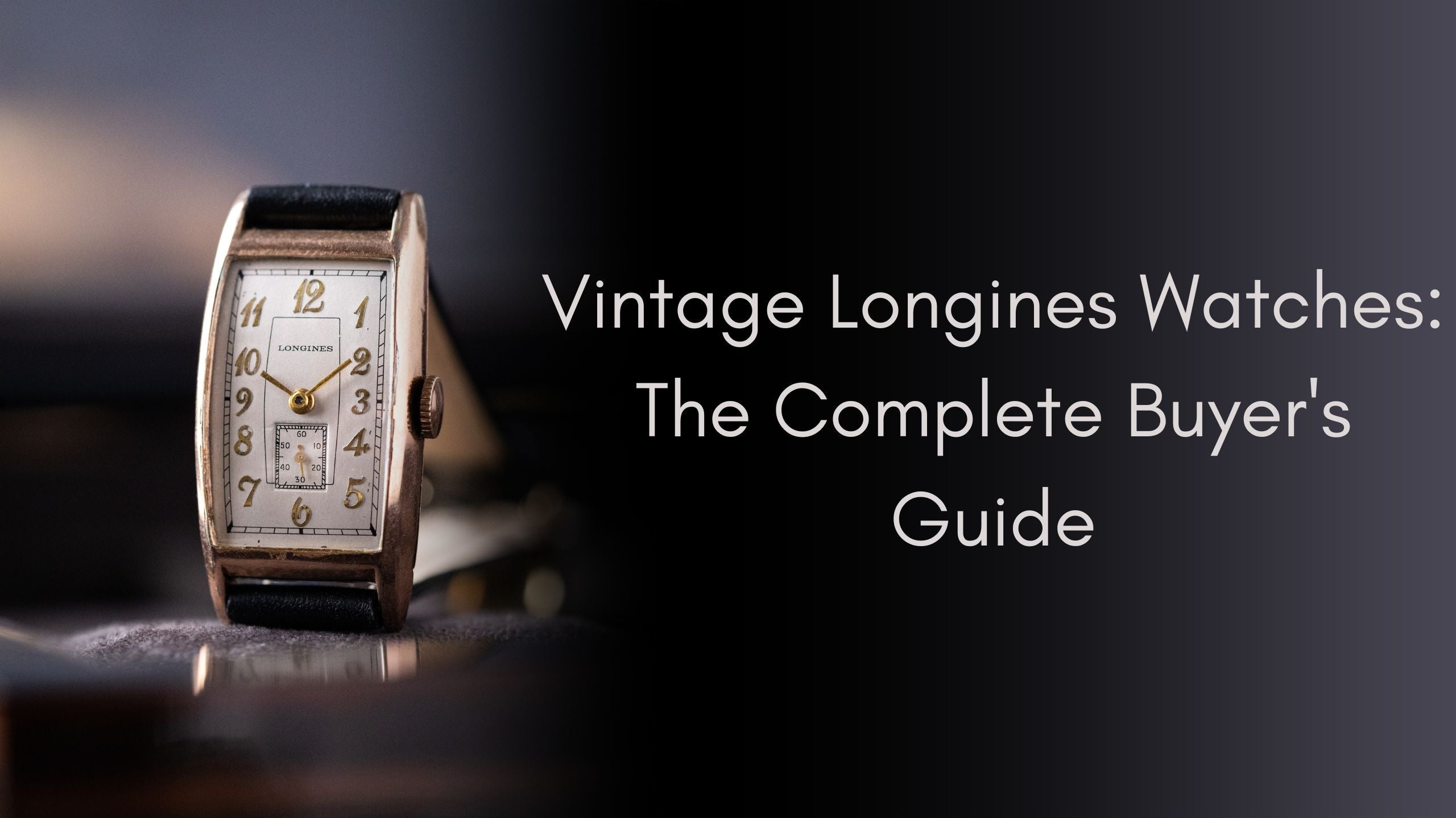
Omega, Longines, and Universal Genève mastered this technique during the golden era of vintage watches in the 1950s and 1960s. From a collecting perspective, gold-capped watches offer an intriguing middle ground: real gold presence without the steep price tag of a solid gold model — and without the fragility of a soft gold case.

What Is Gold Vermeil? The Watch World’s Most Misunderstood Finish
Gold vermeil (pronounced vehr-MAY) occupies a very specific position in the precious metals hierarchy: it is a layer of gold applied over sterling silver rather than base metal. That distinction matters. Vermeil is not simply thick gold plating — it is regulated. To qualify as gold vermeil, a piece must meet three criteria: the base must be sterling silver (92.5% silver), the gold must be at least 10 karat, and the gold layer must be at least 2.5 microns thick. In practice, fine watchmakers typically applied considerably more than the minimum.
In the watch world, vermeil appears most prominently in the Cartier Must de Vendôme line — one of the most explicitly vermeil-focused collections in Swiss watchmaking history. Launched in 1973 as Cartier’s strategic entry into accessible luxury, the Must line used sterling silver cases with a thick gold vermeil finish as a deliberate design choice, not a cost-cutting measure. The warmth and depth of gold over silver produces a slightly different visual quality to gold over steel or brass: richer, slightly warmer, and with a character that ages distinctively.
Base material: Vermeil requires sterling silver underneath; gold plating can use any base metal including brass or steel.
Gold thickness: Vermeil requires a minimum of 2.5 microns; standard gold plating is often just 0.5–1 micron. The difference in longevity is significant.
Intrinsic value: Vermeil has genuine silver content beneath the gold layer — giving it a higher material floor than gold-plated pieces on steel or brass bases.
Hallmarking: Vermeil pieces often carry silver hallmarks alongside gold content stamps. On Cartier Must pieces, look for the “925” sterling silver mark alongside the Cartier signature.
One practical note for collectors: vermeil can show wear at high-contact points — lugs, caseback edges, crown — over decades of use, just as gold-plated pieces do. The thicker gold layer and silver base mean this takes considerably longer, however, and well-preserved vermeil Cartier pieces from the 1970s and 1980s in original condition are among the more resilient vintage gold-finish watches available. For authentication guidance on vintage case stamps, see our Swiss watch hallmarks guide.

What Does "AU20" Mean on Vintage Watches?
If you've seen "AU," "AU20," or similar markings on a vintage watch case, you might wonder whether it indicates solid gold. "Au" is the chemical symbol for gold (from the Latin aurum) — so yes, Au refers to real gold. However, it does not automatically mean the watch is solid gold.
In most cases, especially on vintage watches, "AU20" refers to gold-filled or gold-plated construction — a layer of real gold applied over a base metal. The "20" typically signifies a gold layer thickness of approximately 20 microns, a standard commonly found on watches produced in the USSR between the 1960s and 1990s.
Soviet brands such as Poljot, Raketa, Slava, and Vostok frequently used this marking. While the gold is genuine, these watches are not solid gold — they feature a durable coating thicker than basic plating, but far less valuable than a solid gold case. Additional hallmarks and case stamps help determine the exact construction.

So, Which Gold Is Right for You?
The honest answer is that it depends entirely on your priorities. Here's how each type maps to a different kind of collector or buyer:
Maximum intrinsic value, highest prestige, and the strongest resale floor. Buy primarily for quality and horological merit — the gold content is a bonus, not the whole argument.
The golden look and feel of solid gold at a fraction of the cost. Thick enough to wear, polish, and enjoy for decades. The preferred choice of mid-century Swiss manufacture.
An excellent entry point into vintage collecting. Real gold content, real durability, and real character — at a price that leaves room to explore. The hidden gem of the vintage market.
Affordable vintage charm and classic golden aesthetics. Best worn gently and stored carefully. A well-preserved example can be a handsome, accessible piece — just don't expect it to last like solid gold.
If you're passionate about vintage watches, there's beauty in all of them. A gold-capped Omega from the 1960s or a gold-filled Hamilton from the 1950s might not make financial headlines — but they carry something rarer: history you can wear. When you choose between different kinds of gold watches, you're not just picking a metal. You're choosing a story.
Your Questions Answered
Frequently Asked Questions