
Every serious collector reaches the same fork in the road: gold or steel? It's the first real decision in vintage watch collecting, and it quietly shapes everything that follows — how the watch wears, what it costs, how it ages, and how well it holds its value over time.
Here's the good news up front: there's no wrong answer. Choosing a gold or steel vintage watch isn't about which metal is objectively "better." It's about which one fits your wrist, your wardrobe, your budget, and the life you actually live. A solid gold dress watch and a stainless steel sports watch are two very different tools built for two very different jobs — and once you understand what each metal really offers, the choice tends to make itself. This guide walks you through both sides, honestly, so you can decide with confidence.
Gold or Steel: At a Glance
Before we get into the detail, it helps to see the whole board. "Gold" and "steel" aren't really two choices — they're closer to five, because vintage cases were made in solid gold, gold-filled, gold-plated, stainless steel, and two-tone. Each one wears, ages, and holds value differently, and knowing which is which is half the battle when you're shopping. Here's how they break down.
Warm, weighty, and dressy. Usually 18K, 14K, or 9K, stamped with Swiss hallmarks. The metal itself carries real value — which gives a solid gold watch a price floor nothing else on this list has.
The vintage middle ground: the glow of gold at a fraction of the cost. Gold-filled wears for decades; thin plating can rub through at the edges. Value lives in the watch, not the metal.
Tougher than gold, cooler in tone, and endlessly versatile. Steel shrugs off daily wear and pairs with anything. It's also where the market's hottest sports icons live.
Steel and gold in one watch — durability where it matters, warmth where it shows. Long overlooked, two-tone is quietly coming back into fashion with a new generation of collectors.
| Metal | Character | Durability | Value Driver | Best For |
|---|---|---|---|---|
| Solid Gold | Warm, formal, weighty | Soft, scratches easily | Metal + model | Dress & occasion |
| Gold-Filled | Gold look, lighter feel | Good — wears for decades | The watch itself | Budget-friendly gold |
| Gold-Plated | Bright when fresh | Thin — can rub through | The watch itself | Entry-level collecting |
| Stainless Steel | Cool, versatile, modern | Hard & corrosion-proof | Model desirability | Daily & sporty wear |
| Two-Tone | Warm accents, steel base | Very good | Design & balance | One-watch versatility |
| White Gold | Looks like steel, weighs like gold | Soft under the rhodium | Metal + rarity | Understated luxury |
The Case for Gold
There's a reason gold has meant something for thousands of years. It doesn't rust, it doesn't tarnish, and it catches the light in a way no other case material can quite match. On the wrist, a gold vintage watch reads instantly as considered — a little dressy, a little celebratory, the sort of thing you reach for when the moment matters. That's not marketing; it's just how the metal behaves in the light.
Gold also feels different. It's dense, so a solid gold case has a reassuring heft that plated and steel watches can't fake. And because it's a precious metal, a solid gold watch carries a value the design alone doesn't account for. We'll come back to that when we talk investment, but keep it in mind: gold is the only material here where the case itself is worth money before you even consider the name on the dial.
Yellow, Rose, or White?
Pure gold is too soft for a watch case, so it's always mixed with other metals — and those alloys give you gold's three classic colours. Yellow gold is the traditional choice: warm, classic, and the tone most people picture when they think "gold watch." Rose (or pink) gold blends in copper for a softer, romantic hue that's become genuinely fashionable again, especially in dress pieces from the 1940s and '50s. White gold is the sleeper: it's alloyed to look silvery and finished with rhodium, so at a glance it can pass for steel — yet it weighs like gold and costs like gold. If you love the understatement of steel but want a precious metal underneath, white gold is a quiet flex worth knowing about.
Solid Gold vs Gold-Filled vs Plated vs Vermeil
This is the distinction that trips up more new buyers than any other, so let's be clear about it. Solid gold is gold all the way through, stamped with its purity — 18K, 14K, or 9K. Gold-filled bonds a genuine layer of gold over a base metal; by regulation that layer has to make up at least 1/20th of the item's weight, which is why gold-filled cases can wear beautifully for fifty years or more. Gold-plated is a much thinner electrolytic coating, sometimes just a few microns — it looks brilliant when fresh but can rub through at the lugs and case edges with hard wear. Vermeil, the metal behind many Must de Cartier pieces, is a layer of gold over sterling silver rather than base metal, which gives it a warmer depth and a genuine precious-metal core.
None of these is "fake" — they're just different, and the price should reflect which one you're buying. The trap is paying solid-gold money for a gold-filled or plated watch. That's why hallmarks matter so much, and why we've devoted a whole section below to reading them. The short version: warmth and heritage come in every price bracket, but only solid gold and vermeil put precious metal in your hand.

The Case for Steel
If gold is about occasion, steel is about life. Stainless steel is harder than gold, so it resists the scratches, knocks, and desk-diving that a daily watch inevitably takes. It doesn't corrode, it doesn't need babying, and it looks right in almost any setting — with a suit, with a t-shirt, on a leather strap or a bracelet. For a watch you actually plan to wear rather than admire in a drawer, steel is the sensible, wearable, no-fuss answer.
Steel's tone is cooler and more contemporary, which is part of why vintage steel watches often feel more modern on the wrist than their gold siblings. A steel Omega or a steel Jaeger-LeCoultre from the 1950s can slot into a 2026 wardrobe without missing a beat. And because steel was the material of tool watches — divers, pilots, chronographs — a lot of the most historically important designs in watchmaking only ever came in steel.
Why Some Steel Watches Cost More Than Gold
Here's the twist that surprises newcomers: for the most sought-after models, steel can be worth more than gold. It sounds backwards, but it makes sense once you separate the metal from the model. With dress watches, the gold version almost always commands a premium — same design, more precious metal. But with iconic sports references, demand is driven by the design and its scarcity, not the case material. Collectors want the steel sports watch specifically, and steel examples were often made to be used hard, so clean survivors are rarer. That scarcity, not the metal, sets the price. It's why a great steel tool watch can outrun a gold dress watch at resale — and why "steel is cheaper" is a rule with some very expensive exceptions.

How to Choose: Seven Questions That Settle It
Theory is nice, but you've got a decision to make. When you strip it back, the gold-or-steel question comes down to a handful of honest answers about how you live. Run through these seven and the right metal usually reveals itself.
1. When will you wear it? If the answer is "special occasions, dinners, the office," gold rewards you. If it's "every single day, everywhere," steel is built for that.
2. How hard is your life on a watch? Desk job and careful hands? Gold's softness won't bother you. Active, hands-on, forgetful about taking it off? Steel forgives a lot more.
3. What's already in your wardrobe? Gold sings against brown leather, warm earth tones, and yellow-gold jewelry. Steel is at home with black, navy, and grey — cool and crisp. Match the watch to the rest of your kit.
4. What's your skin tone? It's a small thing, but warm (golden or olive) undertones tend to glow next to gold, while cooler undertones often love the clean contrast of steel. Try both if you can — your wrist will tell you.
5. Is this a one-watch collection? If this piece has to do everything, steel's versatility — or a two-tone that splits the difference — is the safer pick. If it's joining a rotation, you can afford to specialise.
6. Does a price floor matter to you? Solid gold's melt value gives it downside protection no other material offers. If the idea of that safety net appeals, it's a genuine point in gold's favour.
7. What actually makes you happy? This is the one that counts. A watch you love and wear beats a "smart" choice that sits in a box. Trust the piece that makes you want to check the time.
Reach for gold when: you're dressing up, celebrating, or want warmth against brown leather and earthy colours. Gold flatters warm skin tones and quietly signals occasion.
Reach for steel when: you want one watch that goes everywhere, pairs with black, navy and grey, and won't flinch at daily wear. Steel reads modern even when the watch is seventy years old.
Still torn? Two-tone gives you gold's warmth where it shows and steel's toughness where it counts — the classic "why not both" answer, and an increasingly fashionable one.
Durability, Patina & Living With Your Watch
The two metals age in completely different ways, and knowing what to expect saves you a lot of worry later. Gold is soft. That's the trade-off for its warmth and value — it'll pick up hairline scratches and dings more readily than steel, and those marks show. For many collectors that's a feature, not a flaw: honest wear on a gold case tells the story of a life, and light patina is proof of authenticity, not damage. What you don't want to do is over-polish it. Every polish removes a little metal and softens the crisp edges that make a vintage case desirable, so a gentle hand always wins.
Steel is the tougher customer. It resists scratches better, doesn't corrode, and can be refinished more safely when it genuinely needs it. The main caution with vintage steel is the opposite problem — over-restoration. A case that's been polished one too many times loses its sharp lugs and factory lines, and originality is what the market rewards. Unpolished steel with honest wear beats a mirror-bright refinish every time.
Gold-filled and plated cases have their own quirk. Because the gold is a surface layer, the highest-contact points — lug tips, case edges, the back of the bezel — can eventually wear through to the base metal beneath, a look collectors call "brassing." On a gold-filled case that thick layer usually holds up for decades; on thin plating it can appear much sooner. It's not a dealbreaker, but it's exactly the sort of thing to inspect closely and factor into the price. Whichever metal you choose, a proper service by a qualified watchmaker keeps the movement healthy and the case looking its best — and DuMarko servicing every watch before it ships means you're starting from a known, sound baseline.
Value, Rarity & Investment
Let's be honest about the money, because it's usually lurking behind the question. No watch should be bought on investment logic alone — that's how people end up owning things they never actually want to wear. But the two metals do behave differently in the market, and it's worth understanding how.
Gold's advantage is a floor. A solid gold case has a melt value tied to the spot price of the metal, and with gold trading at historic highs in recent years, that floor has only risen. Even if a gold watch's collector appeal is modest, the case underneath is worth something real — a kind of built-in downside protection you simply don't get with steel or plated pieces. For cautious buyers, that safety net is a genuine comfort.
Steel's advantage is upside. The wildest appreciation in the vintage market has come from steel sports watches, where scarcity and design desirability — not metal content — drive prices. A clean, original steel tool watch can climb hard because so few survived in good shape. The lesson isn't "steel beats gold" or the reverse; it's that metal and model are two separate value engines. Gold gives you a floor; a great steel reference gives you a ceiling that's harder to predict but occasionally spectacular. For most buyers, the wisest move is simple: buy what you'll genuinely wear, insist on originality, and let any appreciation be a bonus rather than the plan. If you want to browse by budget, DuMarko's Swiss watch collection spans both camps, from accessible gold-filled dress pieces to blue-chip steel.
How to Check the Metal Before You Buy
The single most useful skill in this whole discussion is being able to tell what you're actually looking at. Case metal is where honest mistakes — and the occasional dishonest listing — do the most damage, so learn to read the evidence. Most of it is stamped right into the case, if you know where to look.
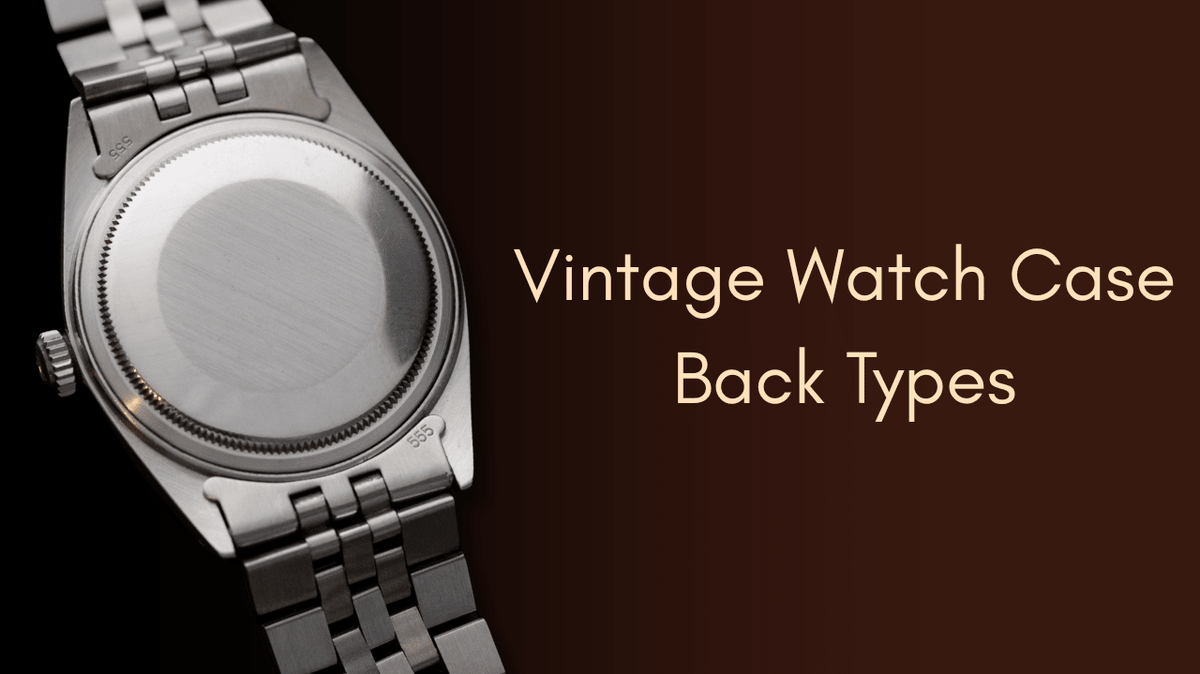
Find the hallmarks. Solid gold carries a purity stamp — 750 or 18K, 585 or 14K, 375 or 9K — often alongside Switzerland's Helvetia head (a woman's profile) that marks assayed gold. Sterling silver, the base of vermeil cases, shows a 925 stamp. Our guide to Swiss watch hallmarks walks through every mark in detail.
Read the plated markings. Gold-filled cases are usually stamped "GF," "gold filled," or a fraction like "1/20 12K." Plating shows up as "plaqué," "gold plated," or a micron figure. There's a helpful primer on gold-filled construction if you want the technical background — it explains why gold-filled outlasts plating.
Feel the weight. Solid gold is dense and noticeably heavy for its size. If a case that claims to be solid gold feels suspiciously light, that's a flag worth investigating.
Mind the white-gold trap. White gold can look almost identical to steel, so never judge by colour alone — check the hallmark. A "steel-looking" watch stamped 750 is a precious-metal piece hiding in plain sight.
Buy the seller. As with any vintage watch, the surest protection is a dealer who inspects, describes, and stands behind what they sell. When metal, hallmarks, and condition are documented up front, most of the risk disappears.
If you're newer to all this, our guide to buying a vintage watch is a friendly starting point that covers fit, budget, and brand character alongside the metal question.
So, Gold or Steel? The Verdict
There's no universal winner here — only the right match for the right collector. Here's how each option maps to a different kind of buyer.
Warmth, weight, dress-watch presence, and a metal that holds real value. The pick for celebrations, formal wear, and anyone who wants a precious-metal floor under their purchase.
Tough, versatile, and modern in tone — the one watch that truly goes everywhere. Also home to the sports icons with the market's most dramatic upside.
Gold's warmth, steel's backbone, one watch. Long undervalued and now trending upward — a smart, flexible choice for a single-watch wardrobe.
The gold look and vintage soul without the solid-gold outlay. A sensible, character-rich entry point — just check the wear and pay the gold-filled price, not the solid-gold one.
Whichever way you lean, remember the two ideas that run through this entire guide. First, gold or steel is a question about you — your wrist, your week, your wardrobe — far more than about the watch. Second, metal and model are separate stories: gold gives you a floor, a great steel reference gives you a ceiling, and the happiest collectors buy the piece they'll actually wear and let the market do whatever it does. Get those two things straight and you can't really go wrong.
When you're ready to see the options side by side, browse the full vintage Swiss watch collection at DuMarko — or narrow it down by exploring vintage Omega, Longines, and Cartier, or the dedicated men's and women's selections. Gold or steel, the right one is waiting.
Your Questions Answered
Frequently Asked Questions