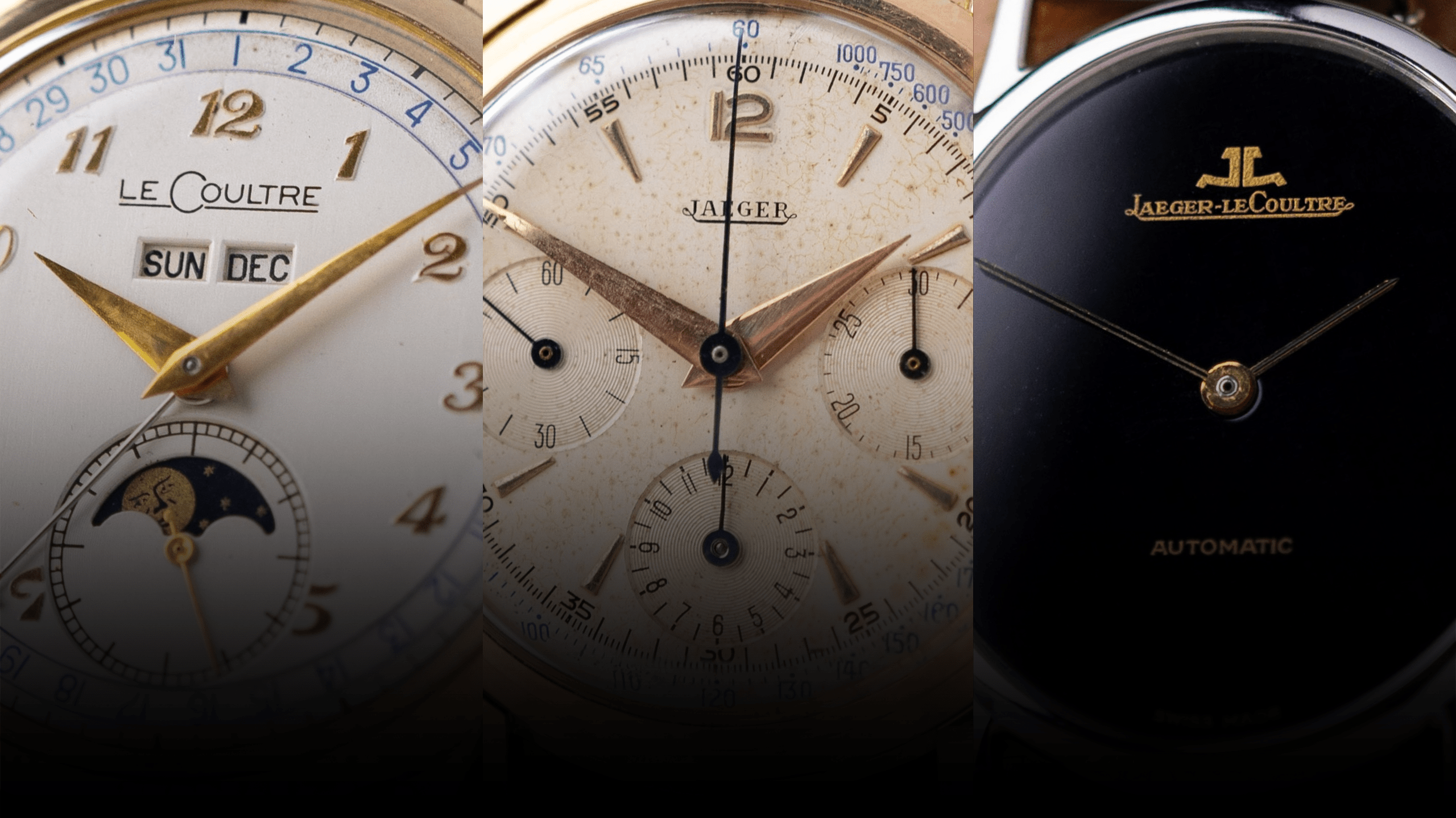

Radium watches are among the most fascinating and most misunderstood objects in vintage collecting. Their eerie self-luminous glow, their connection to the tragic story of the Radium Girls, and their genuine radioactivity combine to make them genuinely unlike any other collectible. This guide answers the questions collectors actually ask: are radium watches safe to wear, how do you identify a radium watch dial, and are radium watches dangerous enough to worry about?
The short answer: a radium watch with an intact crystal and undamaged case is generally safe to wear occasionally. The risk is real but contextual. Understanding the science — and knowing exactly what to look for — is what separates responsible ownership from unnecessary anxiety. This guide gives you both.
This article is for informational purposes. If you believe a radium watch dial is damaged, flaking, or cracked, do not open the case. Consult a professional watchmaker experienced with radioactive materials.
The History of Radium in Watch Dials
The Discovery That Changed Watchmaking
Radium was discovered in 1898 by Marie and Pierre Curie, who isolated it from pitchblende ore after years of painstaking work. The element emits a faint blue-green glow in the dark — a property that immediately attracted commercial attention. By the early 1900s, watchmakers had realised that radium mixed into phosphorescent paint could make watch dials, hands, and indices glow continuously without any external light source. This was transformative: for military personnel, pilots, navigators, and railway workers who needed to read the time in darkness, a self-luminous radium watch dial was not a luxury. It was an operational necessity.
Which Watch Brands Used Radium Dials?
Radium watch dials and radium in watches were industry-wide from roughly 1910 to the mid-1950s. The brands involved represent the entire roll call of major Swiss and American manufacturers:
- Omega — Used radium watch dials extensively in military and civilian watches from the 1910s through the early 1950s, including the WWII CK2444 Dirty Dozen and calibre 30T2 references
- Rolex — Early Rolex watches including military-issued models featured radium lume; the Bubbleback (1930s–1950s) is among the most collectible
- Longines — Produced pilot and military watches with radium dials, including the Weems and Lindbergh Hour Angle references used by aviators
- Hamilton — Supplied the U.S. military with radium-lumed watches, particularly the WWII A-11 reference
- IWC — Mark XI and earlier military references used radium lume for RAF and other service contracts
- Gruen, Elgin, Waltham — Major American brands producing radium watch dials from WWI trench watches through WWII military pieces
The Timeline of Luminous Materials in Watches
The Radium Girls — The Human Cost of Radium Dial Painting
No account of radium watches is complete without acknowledging the Radium Girls — the young women who painted radium watch dials at factories in Orange, New Jersey and Ottawa, Illinois from the 1910s through the 1920s. They were instructed by supervisors to “lip-point” their brushes — moistening them with their lips to achieve fine lines — despite radium’s known radioactivity. Many were told the paint was harmless. Some even brushed it on their teeth and nails as a novelty.
The consequences were catastrophic. Radium, when ingested, mimics calcium and deposits in bone tissue. The women developed radiation sickness, bone fractures, jaw necrosis, and cancers. Several died. The lawsuits brought by the Radium Girls against the U.S. Radium Corporation were landmark legal proceedings — among the first to establish that corporations could be held liable for occupational radiation exposure. Their cases directly shaped modern occupational safety law and awareness of internal radiation hazards. The U.S. Nuclear Regulatory Commission’s radium fact sheet documents the regulatory legacy of their suffering.
The Radium Girls’ story is a critical context for understanding why radium watches are dangerous when handled incorrectly. The hazard was never wearing a radium watch — it was the direct ingestion and inhalation of radium. That distinction matters enormously for collectors today.
Are Radium Watches Dangerous? The Science Explained
How Radium Emits Radiation
Radium-226, the isotope used in radioactive watch dials, decays through alpha particle emission — along with smaller amounts of beta and gamma radiation from its decay products. Alpha particles are large, heavy, and very easily stopped: a sheet of paper, a few centimetres of air, or intact skin is sufficient to block them entirely. This is why the external radiation from a radium watch with an intact case is low.
The gamma radiation emitted by radium’s decay chain is more penetrating — it can pass through skin, glass, and metal — but the quantity emitted by a single radium watch dial is very small. A Geiger counter will clearly register a reading from a radium watch, but the dose rate at typical wearing distance is generally well below levels of regulatory concern for occasional wear.
The Real Risk: Internal Exposure
The genuine danger with radium in watches is internal exposure — inhaling or ingesting radium dust. This can happen if:
- The crystal is cracked or broken, releasing radium dust into the air
- The radium watch dial is flaking or deteriorating
- The watch is opened and serviced without appropriate precautions
- Radium paint is disturbed mechanically (sanding, scraping, polishing)
Radium, once inhaled or ingested, deposits in bone tissue and irradiates surrounding cells from the inside — a mechanism far more harmful than any external exposure. This is exactly what the Radium Girls experienced, and it is why professional handling is so important when any work is needed on a radium watch.
Are Radium Watches Safe to Wear?
Are radium watches safe for ordinary wear? Based on current radiological understanding, yes — with conditions. A radium watch with an intact crystal, an undamaged dial showing no flaking or dust, and a properly sealed case presents minimal risk during occasional wear. The external gamma and beta dose rates are low, and alpha radiation is entirely blocked by the case and crystal.
The precautions are practical and straightforward:
- Do not open the case — This is the most important rule. Opening a radium watch at home risks releasing radium dust into your immediate breathing space.
- Do not wear to sleep — Minimise prolonged close contact, particularly directly against skin for extended overnight periods.
- Inspect the crystal regularly — Any crack or chip in the crystal is a reason to stop wearing the watch immediately and consult a professional.
- Do not restore or polish the dial — Any mechanical disturbance of a radium watch dial risks releasing radium dust. Professional conservation only.
- Store away from other watches — Keep in a well-ventilated area, not in an airtight case that could concentrate any outgassing.
- Wash hands after handling — A basic precaution, particularly if the exterior of the case has surface contamination from a deteriorated seal.
Are Radium Clocks Dangerous?
The same physics that applies to radium watches applies to radium clocks — mantel clocks, desk clocks, and bedside alarm clocks from the same era that used radium-based luminous paint on their dials and hands. The question “are radium clocks dangerous?” has the same answer: external exposure from an intact, sealed radium clock is low; the risk rises sharply if the dial is deteriorating, the glass is broken, or the clock is opened.
Radium clocks present one additional concern compared to radium watches: they are often kept in enclosed spaces — bedrooms, offices, living rooms — where any outgassing from a deteriorating radioactive watch dial or clock dial accumulates. A cracked radium clock face on a bedside table is a more meaningful exposure concern than a wristwatch worn outdoors. If you have an older clock with a luminous dial and any doubt about its condition, have it assessed before placing it in a sleeping area. The U.S. EPA’s guidance on radium is the authoritative reference for household radium exposure assessment.
How to Tell If Your Watch Contains Radium
This is one of the most common questions from new collectors and inheritors of vintage timepieces. The answer is not always immediately obvious — many watches from the 1920s through the 1960s used luminous paint, but not all of it was radium. Here is a systematic approach to identifying a radium watch.
Step 1: Check the Production Date
The simplest first filter: if the watch was made before approximately 1960, and it has luminous dial markings, there is a meaningful possibility it contains radium. Radium was largely phased out of watch production by the late 1950s — most watches made after 1960 will use tritium instead. Use our Omega serial number decoder for Omega watches, or consult the manufacturer’s production records. Swiss watches can also be dated via hallmarks — see our guide to Swiss watch hallmarks.
Step 2: Read the Dial Markings
Swiss watchmakers were required to mark the lume type on the dial from the 1950s onward, and earlier dials sometimes carry explicit markings too. The key indicators are:
- “Radium” printed on the dial — explicit confirmation of radium in the watch. Common on 1920s–1940s dials.
- “Ra” — abbreviation for radium, found on some dial printings particularly from the 1930s–1940s.
- “Swiss Made” with no “T” or “T Swiss T” — Swiss-made watches from the 1940s–1950s without the tritium “T” marker are likely using radium or an earlier phosphor.
- “T” or “T Swiss T” — This indicates tritium, not radium. Tritium dials date from the late 1950s onward.
- No lume marking at all — Pre-1940s dials often carry no material marking. If luminous paint is visible and the watch predates 1950, assume radium until confirmed otherwise.
Step 3: Examine the Lume Appearance
The physical appearance of aged luminous paint gives strong clues:
- Cream, ivory, or warm brown patina — Classic appearance of aged radium watch dial lume. Radium-painted indices and hands develop this characteristic warm discolouration as the phosphor degrades over decades.
- Greyish, flat, or matte white — More typical of aged tritium lume.
- Does not glow brightly under UV or in darkness — Radium lume’s phosphor has usually fully degraded after 70–80 years, so most radium watches no longer glow at all or glow very faintly. A watch that glows strongly in darkness is more likely to contain tritium or modern lume.
- Flaking or powdery texture on indices or hands — A warning sign. Do not open the case. This is deteriorating radium watch dial paint and a reason for professional assessment.
Step 4: Use a Geiger Counter
The definitive identification method for radium watch dials is a Geiger counter or radiation detector. Hold the detector close to the dial side of the watch. A clear, sustained elevated reading — well above ambient background radiation — confirms radioactive material. A reading from the back of the case as well (through the caseback) confirms it is not an external contamination issue. If you do not own a Geiger counter, many local physics departments, nuclear medicine facilities, or specialist watchmakers can perform a quick scan. We cover Geiger counter readings on our DuMarko YouTube channel with live demonstrations on actual radium watches.
Step 5: Research the Reference
For known military references and major brand civilian models, reference databases can confirm whether a specific dial variant used radium. WWII British military watches (Dirty Dozen, RAF contracts), early Omega military calibres, and pre-1955 Rolex Oyster cases with luminous dials all used radium lume. The WatchUSeek vintage forums maintain detailed reference databases by brand and model.
Production year before 1960 + warm ivory/brown lume patina + “Radium” or “Ra” on dial + no “T Swiss T” marking + elevated Geiger reading = almost certainly a radium watch. Any one of these alone is suggestive; multiple factors together are confirmatory.
Safe Handling, Wearing, and Storage of Radium Watches
Is It Safe to Wear a Radium Watch Daily?
Occasional to moderate wear of a radium watch with an intact, undamaged case is considered low risk by most health physicists. The external dose rate from a typical radium watch dial is low, and the main vector of harm — internal exposure — is blocked by the sealed case and crystal. However, daily all-day wear, particularly if the watch is also worn overnight, increases cumulative exposure over years. Most radiologists advise treating radium watches as occasional-wear pieces rather than daily drivers.
Servicing a Radium Watch
This is where radium watches dangerous potential becomes most relevant. Opening a radium watch at home — for any reason — is strongly discouraged. Even a careful opening can disturb deteriorated radium watch dial paint and release radium dust into the air. Always use a watchmaker who has specific experience handling radioactive dials. They will work in a well-ventilated space, wear appropriate PPE, and know how to contain any released dust. Disposal of contaminated materials must also follow local radioactive waste regulations.
Radium Watches as Collectibles — Value and Desirability
Does Radium Lume Affect Collector Value?
Original, intact radium watch dials are generally preferred by serious collectors over refinished or restored examples. The warm cream or ivory patina of aged radium lume is an authentic mark of originality — it cannot be convincingly faked. A dial where the radium lume has been stripped and replaced with modern material has lost something irreplaceable, and experienced collectors and dealers will immediately recognise the difference under a loupe. For vintage military watches in particular — Omega WWII references, Dirty Dozen models, RAF pilot watches — the original radium dial is intrinsic to the watch’s historical character and authenticity.
Notable Collectible Radium Watches
- Rolex Bubbleback (1930s–1950s) — Early Rolex references with radium dials; military-issued examples especially collectible
- Omega Dirty Dozen CK2444 (1945) — WWII British military issue; original radium dial and Broad Arrow marking essential to collector value
- Omega Cal. 30T2 References (1944–1952) — Chronometer-grade movements with original radium watch dials; among the finest vintage Omega pieces
- Longines Weems Hour Angle Watch — Used by Charles Lindbergh; radium lume on aviation references commands significant premiums
- WWII A-11 (Hamilton) and Mark XI (IWC) — Standard military issue with radium dials for Allied air forces
- WWI Trench Watches (Gruen, Waltham) — Early wristwatches with radium lume; the earliest examples of luminous military watches
Flaking, powdery, or severely deteriorated radium watch dial paint can reduce value due to safety concerns — a heavily degraded dial is both an aesthetic and a handling risk. But evenly aged, cream-patina original lume in stable condition enhances value and authenticity. To understand how gold and case materials affect vintage watch value more broadly, see our guide to gold types in vintage watches.
Alternatives: Tritium Watches and Modern Lume
If you love the look of vintage luminous watches but want to avoid radium watch considerations entirely, two categories of alternatives are worth knowing:
Tritium Watches (c. 1959–1998)
Tritium (hydrogen-3) replaced radium in watches from the late 1950s onward. It is radioactive but emits only low-energy beta particles — which cannot penetrate the skin — and has a half-life of only 12.3 years (compared to 1,600 years for radium-226). A 1970s tritium-lumed watch has lost 90% of its original radioactivity by the time it reaches you today. Tritium watches are identified by “T” or “T Swiss T” on the dial. They are significantly safer than radium watches while still carrying the vintage character of aged luminous paint. For our guide to vintage Swiss watchmaking movements across this era, see our guide to vintage watch movements.
Modern Luminova and Super-LumiNova
All contemporary watches from reputable manufacturers use photoluminescent compounds — primarily Super-LumiNova or Chromalight — which are entirely non-radioactive. They require “charging” under light to glow but are completely safe. If you want the glow without the radium watch considerations, any post-1998 watch from a quality manufacturer is the answer.
Conclusion
Radium watches are a fascinating, genuinely irreplaceable category of horological history. The tragedy of the Radium Girls — whose suffering first brought the dangers of radium in watches to public attention — gives these pieces a gravity beyond their mechanical and aesthetic appeal. That history deserves respect, and responsible ownership means understanding the science.
To answer the questions directly: are radium watches safe to wear? Occasionally, with an intact case, yes. Are radium clocks dangerous in your home? Only if the dial is deteriorating or cracked. Is radium in watches dangerous under normal collector conditions? The risk is real but manageable with basic precautions. The key is knowledge: know what you have, keep it sealed, have it serviced only by professionals, and never disturb a deteriorating radium watch dial yourself. For more on vintage watch collecting and identifying pieces in the eras that used radium, see our broader guide to vintage Omega watches every collector should know.
Frequently Asked Questions
Radium Watches — FAQ