
What Is Patina in the World of Watches?
In vintage watch collecting, “patina” refers to the visible aging effects that naturally develop on a watch’s dial, hands, and bezel over decades. It’s the result of long-term exposure to light, humidity, air, and even skin contact. While unintentional, these effects often create visually striking transformations that turn mass-produced dials into one-of-a-kind pieces.

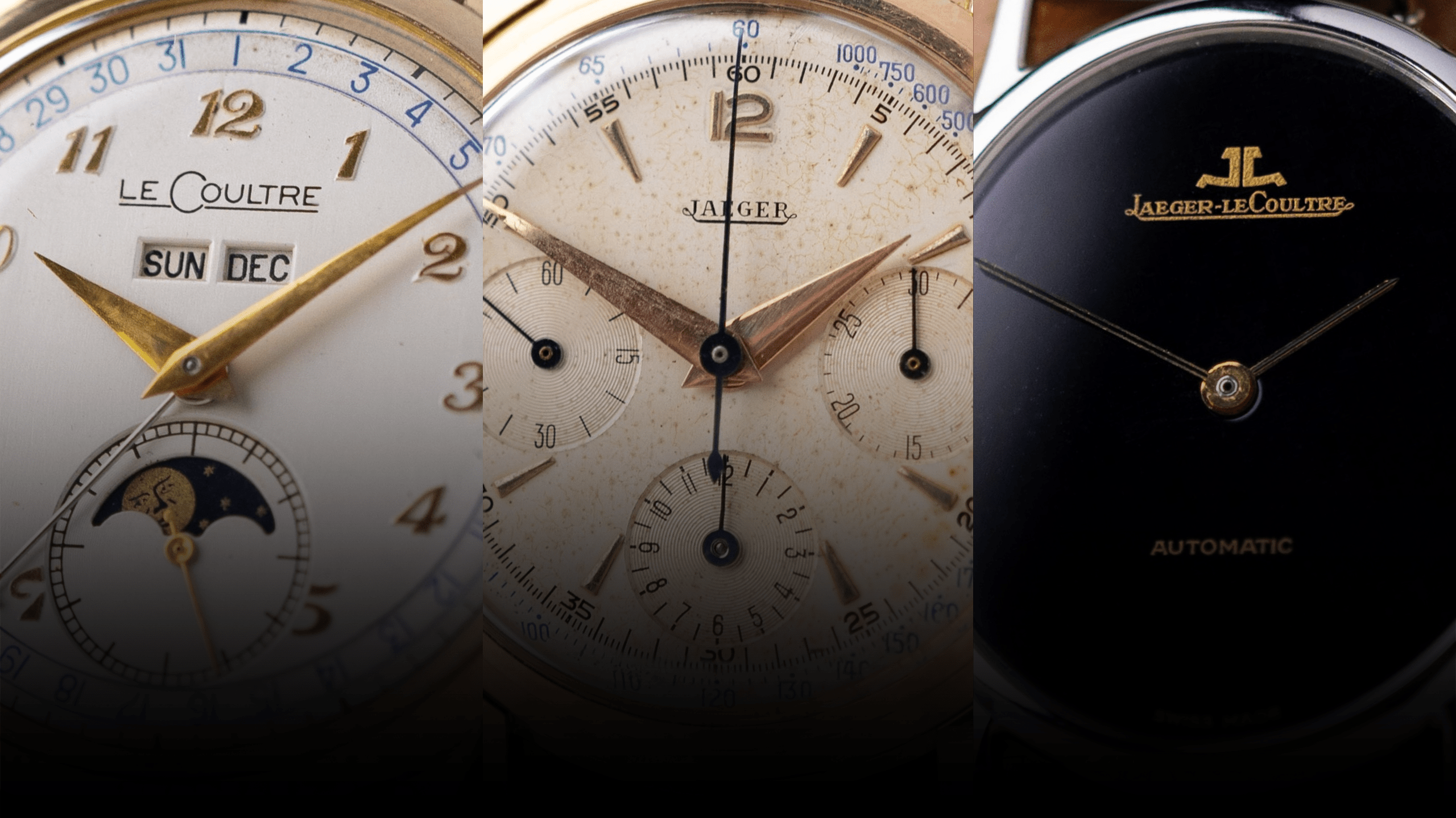
Patina is born from imperfections in mid-century materials—UV-sensitive lacquers, unstable lume compounds, and fragile aluminum bezels. Over time, these materials react with their environment, creating distinctive fades, color shifts, and surface textures. For instance, black dials made without sufficient UV protection might slowly transition into brown. Meanwhile, radium and tritium lume, used before the 1990s, can age from white to creamy yellow or deep orange as the radioactive compounds decay.
This randomness of aging is why no two vintage watches age alike. Even two identical models stored differently—one in a humid drawer, the other worn daily—will develop unique patinas. It’s this singularity that captivates collectors.
Celebrated Types of Patina
Tropical Dials
One of the most revered patina effects is the “tropical” dial—where black dials age into chocolate or coffee tones. Caused by UV exposure and unstable pigments, this transformation was originally considered a flaw. Today, collectors see it as a mark of authenticity and visual beauty. Examples include tropical Rolex Submariners and Omega Speedmasters. Particularly sought after are even, symmetrical fades that result in a warm, consistent brown across the dial.

A unique subtype is the Rolex Daytona “Patrizzi dial,” where silver sub-dials oxidize into brown. These rare aging effects can dramatically increase a watch’s value, especially when original.

Omega Seamaster, Rare Tropical Leopard Patina Dial, Ref. 2846.2SC from 1954
The golden sunburst base of the dial has transformed into a warm, spotted honey tone, giving this piece a unique texture and depth under different lighting.
$1,490.00
See More
Ghost Bezels
Another prized patina is the “ghost” bezel—where aluminum bezel inserts fade into pale grays or washed-out pastels. This occurs after years of exposure to sunlight, saltwater, and friction. A once-dark GMT bezel may lighten into subtle pink and blue hues, or a black Submariner bezel may become smoky gray. Original ghost bezels are increasingly rare, as they were commonly swapped during servicing.

Collectors favor bezels that show uniform fading but retain legibility. These pale inserts tell stories of well-worn watches, hinting at years spent outdoors, underwater, or in extreme conditions.
Spider Dials
In the 1980s, Rolex began using high-gloss lacquered dials that, over time, developed hairline cracks due to instability in the formula. The resulting fine, web-like cracks are known as “spider dials.” This pattern is polarizing—some view it as damage, while others consider it a charming relic of manufacturing evolution.

Spider dials are most often found on Submariners and GMT-Masters from the late ’80s. Though not always commanding a premium, they attract collectors who appreciate visual texture and originality.
Lume Patina
Before modern lume formulas, watches used radioactive materials like radium and tritium to glow in the dark. As these degrade, the lume ages in color—from pale yellow to butterscotch, pumpkin orange, or even deep amber. This aging continues even if the watch is unworn, due to the materials’ half-life.

Lume patina is especially significant when it’s consistent across dial and hands, suggesting that both are original. Mismatched lume usually points to a replacement part. A uniform creamy tone is a hallmark of authenticity and can boost a watch’s appeal substantially.

Vintage Universal Genève Swiss Military Watch, Ref. 20724 Radium Dial, Cal. 263 from 1944
This 1945 Ref. 20724 stands out with its original radium dial, warmly aged silver tone, and robust Enversteel case made for durability during a demanding era.
$1,200.00
See MoreAdditional Patina Phenomena
-
Cream Dials: Some white dials age to warm ivory tones due to unstable paint. The Omega Ref. 3797 is a great example.

-
Stardust Dials: Fine speckling caused by moisture exposure or corrosion gives a dial a twinkling appearance.

-
Tobacco or Salmon Patina: Subtle shades of pink, tan, or brown develop on silver or light-colored dials. These are essentially tropical variants.

-
Radium Burn: Intense radiation from radium lume sometimes discolors nearby dial areas, leaving brown shadows around markers.

What Patina Tells Collectors
Historical Clues
Every form of patina hints at a watch’s environmental past. A browned dial might suggest years in a sunny locale; a ghost bezel could point to extensive time at sea. These clues build a narrative that enriches the watch’s identity.
Originality and Integrity
Patina is often the best evidence of originality. Factory-fresh dials replaced during service will lack the nuanced aging that patina provides. When dial, hands, and bezel all age in harmony, collectors see a genuine, untouched example.
Wear vs. Storage
Not all patina implies wear. A safe-stored watch might avoid dial fading but still develop lume patina from time alone. Conversely, a watch showing ghost bezels and faded printing was likely worn heavily. Patina helps differentiate safe queens from everyday tools.
Manufacturing Insights
Certain patinas mark specific production quirks—like the spider dials of 1980s Rolex or cream dials from faulty white paint. Enthusiasts learn to associate these traits with particular years or models, which adds another dimension to collecting.
Why Collectors Love Patina
Uniqueness and Rarity
Patina transforms each vintage watch into something one-of-a-kind. No two dials fade the same way. This uniqueness adds a level of exclusivity more powerful than limited editions. The best examples—like evenly faded tropical dials or flawless pumpkin lume—are rare and command top dollar.
Authenticity
Collectors often equate patina with untouched originality. A well-aged dial is a sign that the watch hasn’t been over-restored or heavily altered. Matching patina across components is especially important—it’s a visible assurance of integrity.
Aesthetic and Emotional Appeal
Aging adds visual depth and warmth. The soft glow of aged lume or the subtle gradient of a tropical dial has a character that sterile new dials lack. Some modern reissues attempt to mimic this look, but true patina has a complexity that can’t be faked.
Moreover, patina invites imagination. A ghost bezel conjures images of ocean adventures; a browned Speedmaster might have seen desert skies. These visual cues offer emotional connections to the past.
Conclusion
In the world of vintage watches, patina is more than surface wear—it’s a symbol of time passed and stories lived. Whether it’s the soft caramel fade of a tropical dial, the ghostly hues of a sun-worn bezel, or the warm pumpkin tones of tritium lume, each example is unique, unrepeatable, and highly collectible.
At dumarko.com, we regularly curate vintage watches that showcase these captivating aging effects. Our collection often includes pieces with rare patinas—like radium burn Rolexes and stardust-dial Omegas—that exemplify the beauty of honest wear. If you appreciate vintage watches that wear their history proudly, you’ll find plenty to explore in our ever-evolving inventory.
Patina, after all, is time’s own signature—etched softly across the dial, telling a story that no modern watch can replicate.
FAQs
Q1. What does patina mean in watches?
A1. In watch collecting, patina refers to the natural aging effects that develop on a watch’s dial, hands, lume, or bezel over time due to light, air, moisture, and use.
Q2. Why do vintage watches develop patina?
A2. Patina forms because older materials—such as dial lacquers, lume compounds, and aluminum bezels—were chemically unstable and reacted to their environment over decades.
Q3. Is patina considered damage or value?
A3. Today, most collectors consider patina a desirable feature, as long as it is natural and original. In many cases, it increases a watch’s value.
Q4. What is a tropical dial?
A4. A tropical dial is a black or dark dial that has aged into brown or chocolate tones due to UV exposure and pigment instability.
Q5. What causes ghost bezels on watches?
A5. Ghost bezels occur when aluminum bezel inserts fade from sun exposure, saltwater, and wear, turning dark colors into washed-out gray or pastel tones.
Q6. What is lume patina?
A6. Lume patina refers to the color change of vintage luminous material—such as radium or tritium—from white to cream, yellow, or orange as it ages.
Q7. Why do collectors care about matching patina?
A7. Matching patina across the dial, hands, and markers usually indicates original parts, while mismatched aging can suggest replacements.
Q8. What is a spider dial?
A8. A spider dial is a glossy dial that has developed fine hairline cracks, most commonly seen on 1980s Rolex watches due to lacquer instability.
Q9. Can patina be recreated or faked?
A9. Artificial patina exists, but experienced collectors can usually spot it. Natural patina is random, layered, and difficult to replicate convincingly.
Q10. Does patina always mean a watch was heavily worn?
A10. Not necessarily. Some patina develops purely from time and material decay, even on watches stored and rarely worn.
Q11. Does patina affect watch value?
A11. Yes. Desirable patinas—such as even tropical dials or uniform lume aging—can significantly increase value, while uneven or damaged patina may reduce it.
Q12. Why do collectors prefer patina over refinished dials?
A12. Patina signals authenticity and originality, whereas refinished dials erase history and often lower collector appeal.
Q13. Is patina purely aesthetic or historical?
A13. Both. Patina provides visual character and also offers clues about a watch’s history, storage, and use.
Q14. Can patina continue to change over time?
A14. Yes. Patina is an ongoing process, especially with lume and lacquered dials, even if the watch is no longer worn.
Q15. Why is patina so valued in vintage watch collecting?
A15. Because it makes every watch unique, reinforces originality, and adds emotional depth that modern watches cannot replicate.